A production line with an annual capacity of 50,000 tons of bio-organic fertilizer is considered a medium-scale project, with an hourly output of approximately 6–8 tons. Equipment selection must account for raw material characteristics, microbial strain viability, environmental compliance, and long-term operational costs. Drawing on extensive engineering experience, Huaqiang Heavy Industry recommends a modular configuration by process stage to ensure the final product meets national standards for bio-organic fertilizer.
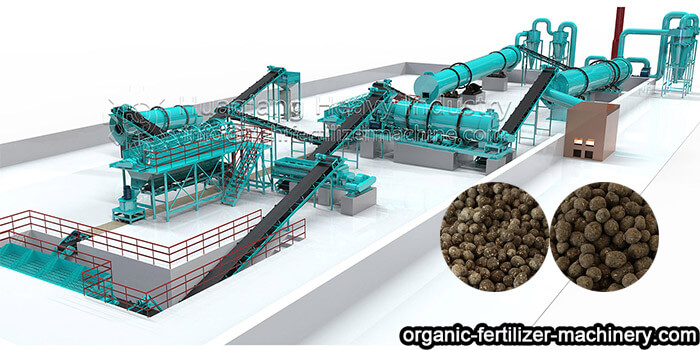
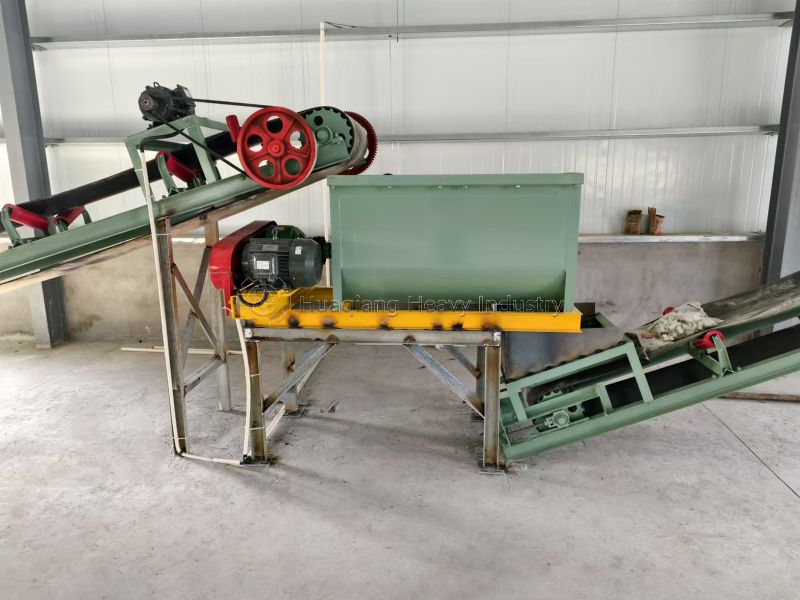
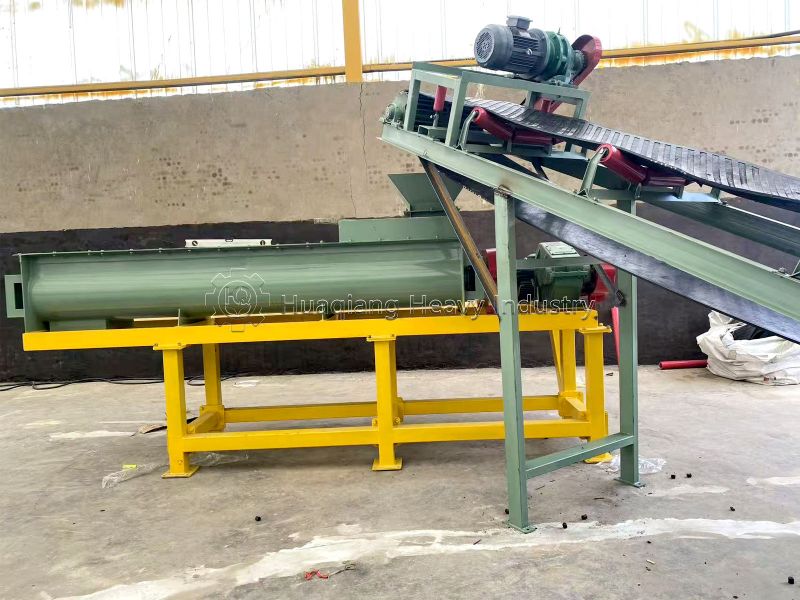
The raw material pre-treatment stage should prioritize the inclusion of dewatering equipment, crushers for semi-wet materials, and multi-bin automatic batching systems. High-moisture feedstocks—such as livestock manure or spent mushroom substrate—should first be dewatered to a moisture content of 55%–60%. These are then mixed with materials like straw or wood chips to achieve a carbon-to-nitrogen (C:N) ratio of 25:1 to 30:1, creating optimal conditions for aerobic fermentation. The use of wear-resistant, semi-wet material crushers prevents clogging, while an automatic batching system ensures precise, consistent mixing of auxiliary materials and fermentation inoculants, minimizing human error.
Fermentation and maturation are the core determinants of bio-organic fertilizer quality. For projects with limited space or strict environmental regulations, a trough-type compost turner paired with an aeration system is ideal; this allows for controlled fermentation cycles and facilitates the collection and treatment of odors. For projects with ample space and tighter budgets, a windrow-style compost turner may be used. During fermentation, the material must reach a sufficient temperature to mature, effectively eliminating pest eggs and harmful bacteria while preserving the viability of beneficial microorganisms. Fermentation facilities should also incorporate anti-seepage measures and systems for gas collection and odor control.
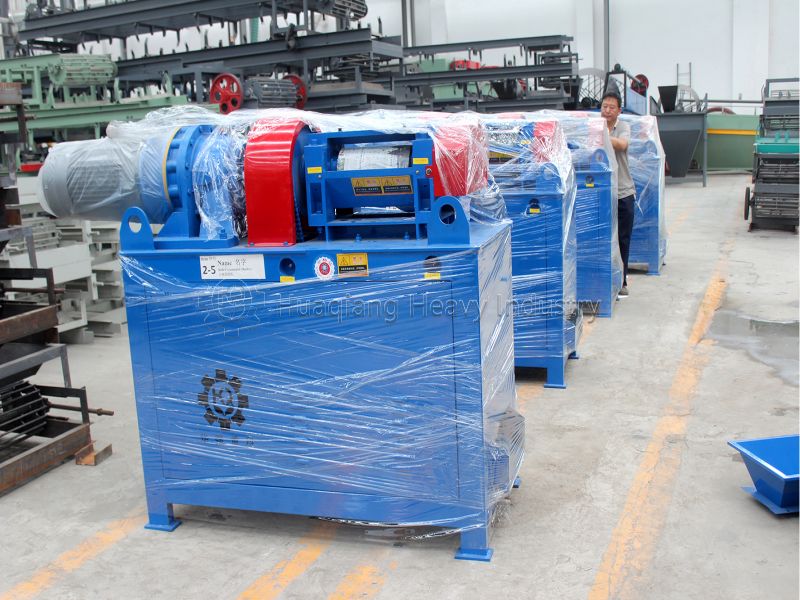
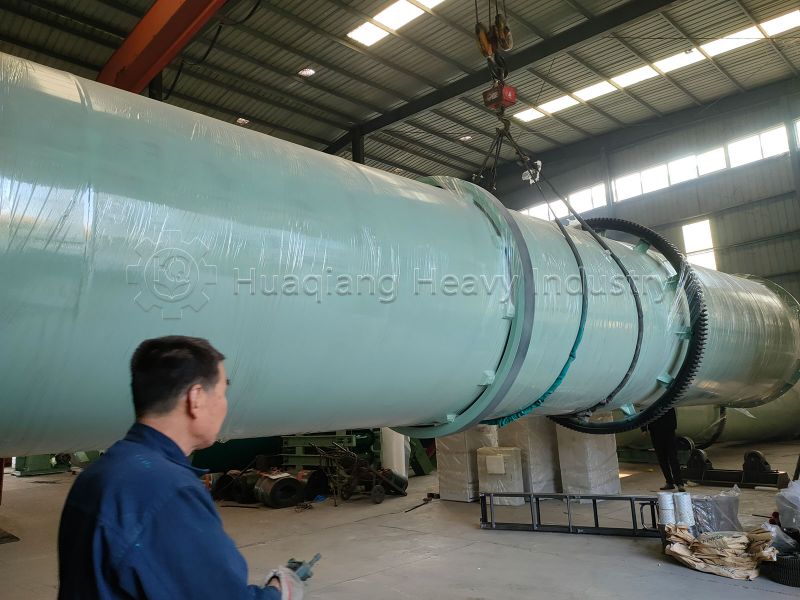
The configuration of the post-processing stage directly influences the final product's physical form and the survival rate of the microorganisms. If the primary product is granular bio-organic fertilizer, a stirring-tooth granulator is well-suited for processing matured, soft materials, ensuring stable granule formation. Alternatively. The drying and cooling process must utilize a low-temperature approach, with strict control over the discharge temperature to prevent high heat from destroying the functional microorganisms. A drum screener is used for classification; undersized or broken granules are recycled back into the granulation process, while conforming granules can be processed through a coating machine to apply microbial agents, thereby extending the shelf life of the viable bacteria. Finally, an automatic quantitative packaging machine is employed for bagging.
Auxiliary systems are equally critical: the entire production line should feature enclosed belt conveyors, supplemented by dust and odor removal equipment to ensure compliance with environmental impact assessment standards. A centralized electrical control system facilitates coordinated start-up and shut-down operations. When selecting equipment, avoid the pitfalls of unnecessary over-specification or, conversely, compromising on core processes like fermentation and low-temperature drying. Furthermore, the design should allow for future technical upgrades, providing the flexibility to switch between powdered and granular product forms.
In summary, the core logic for selecting equipment for a 50,000-ton-per-year bio-organic fertilizer production line centers on: ensuring stable fermentation and maturation, preserving viable bacteria during granulation, controlling temperatures during drying, and prioritizing environmental protection. By carefully considering local raw materials, site conditions, and market positioning, one can establish a bio-organic fertilizer production line that delivers stable capacity, consistent quality, and strong economic returns.