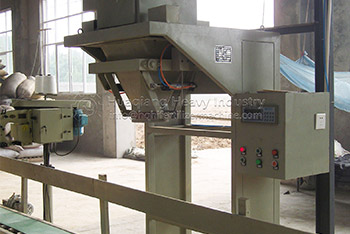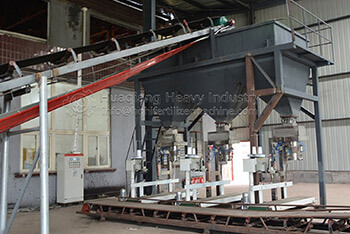
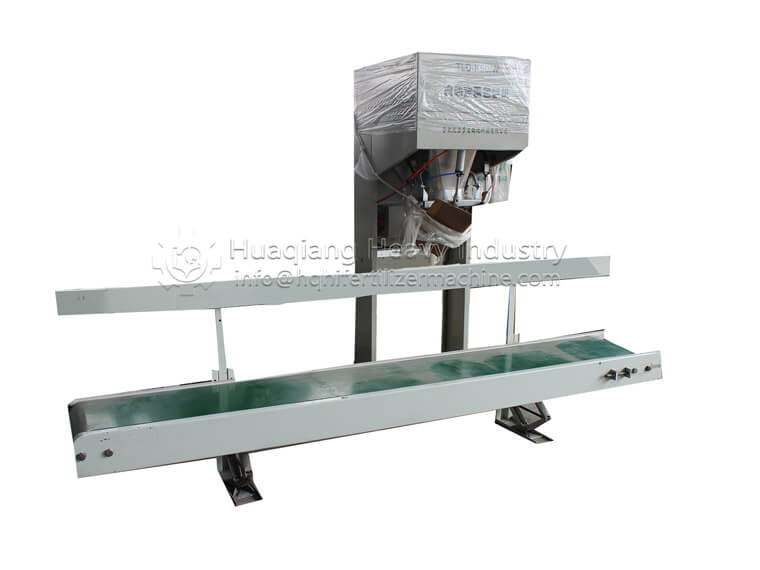
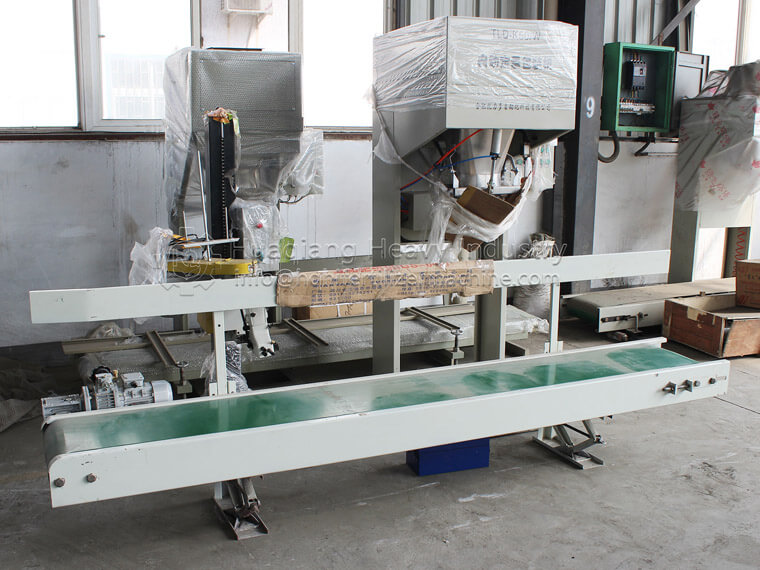
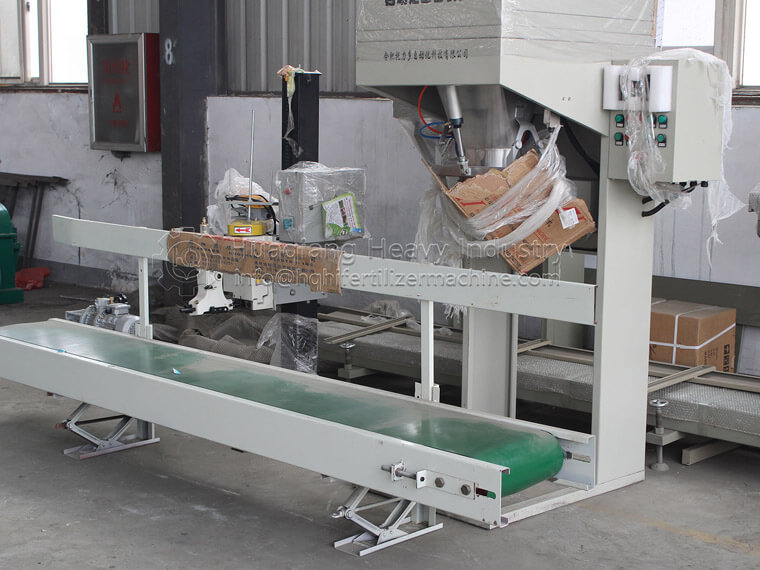
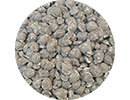
The powder fertilizer packaging machine integrates automatic weighing, filling, and sealing, delivering precise, efficient, and quantitative packaging suitable for various fertilizer production operations.
A powdered fertilizer packaging machine is a piece of quantitative packaging equipment specifically designed for powdered and ultra-fine powdered materials. Its core function is to precisely fill packaging bags with powder from a storage hopper according to a preset weight (typically 5–50 kg), while automating the sequence of bag clamping, material discharge, and bag release.
Unlike general-purpose packaging scales, powdered fertilizer packaging machines feature three specialized design elements: first, they utilize screw feeding rather than gravity flow to overcome the poor flowability of powdered materials; second, they incorporate dust extraction ports or air-return jackets at the bag-clamping and hopper areas to suppress dust leakage during filling; and third, they primarily use 304 stainless steel for parts in contact with the material—upgrading to 316L for handling corrosive materials—to extend service life.
In a complete fertilizer production workflow, the packaging machine is typically positioned after the screening stage and before the finished product conveying stage. Powdered raw materials processed by a horizontal pulverizer proceed directly to packaging if granulation is skipped; additionally, fine powder “rework” generated by roller extrusion granulation lines can be separately packaged and sold as a by-product using these machines.
While the application of powder fertilizer packaging machines extends beyond the fertilizer industry, their core design is specifically optimized for the characteristics of powdered fertilizers. Common materials include:
Organic fertilizer powders: Organic materials such as livestock manure and crop straw that have undergone fermentation, decomposition, and pulverization.
Monoammonium phosphate (MAP) / Diammonium phosphate (DAP) powders: High-concentration phosphate fertilizers characterized by high bulk density and a degree of hygroscopicity.
Micronutrient fertilizers: Boron, zinc, and iron fertilizers; these typically require small dosage amounts but demand high precision.
Compound fertilizer powders: Finished powdered products made from a blend of various raw materials.
Bio-bacterial fertilizer powders: Products containing active bacterial strains, requiring specific controls regarding temperature and sealing integrity during the packaging process.
In terms of production settings, these machines can serve as the final stage of an organic fertilizer production line or operate independently in a trader's repackaging facility. For enterprises producing both granular and powdered fertilizers, it is recommended to use separate packaging machines for each type; the significant differences in feeding mechanisms and parameter settings mean that frequently switching between the two would actually reduce efficiency.
When purchasing a powder fertilizer packaging machine, it is recommended to evaluate suppliers based on the following criteria:
Industry Experience: Prioritize manufacturers with extensive experience in fertilizer packaging, as they better understand the specific requirements of fertilizer materials.
Technical Support Capabilities: A high-quality supplier should provide comprehensive services, including delivery, installation and commissioning, and on-site operational training.
After-Sales Support: Inquire about warranty periods, spare parts availability, and response times. Leading manufacturers typically offer a one-year free warranty and lifetime technical support.
Real-World Case Studies: Ask the supplier for examples of actual installations with clients in the same industry.
Huaqiang Heavy Industry has deep expertise in the fertilizer equipment sector. Our powder packaging machines—standard components of complete fertilizer production lines—are operating reliably in hundreds of organic, compound, and water-soluble fertilizer projects both domestically and internationally. We provide end-to-end services ranging from material test packaging, solution design, and installation/commissioning to operational training. Please contact our technical team for one-on-one equipment selection advice tailored to your specific materials and production capacity.
| Material |
Powder |
| Weighing Range(kg) |
20~50kg |
| Weighing Speed(bag/h) |
≥180 |
| Dividing value(g) |
20 |
| Level of accuracy |
0.2 |
| Power Supply |
Three-phase four-wire: AC 380V 220V 50Hz (User self-sufficiency) 50Hz (User self-sufficiency) |
| Power Consumption |
RV75 1.5kw RV50 0.75KW RV50 0.55KW |
| Gas Source |
It is recommended to select an air compressor with a displacement of 0.12 m3/min or more. |
| Gas Consumption |
0.4~0.6Mpa 1m3/h |
| Working Environment |
0~+40℃ relative humidity≤90% |
| Sensor |
ILGC-200KG-BA (KeLi Electric) |
| Computer Control Instrument |
Intelligent computer controller YH3D YHD8 |
| Pneumatic Components |
Yadeke, Taiwan |
| Dust Removal |
Reserve dust outlet |
| Manufacturing Materials |
Contact with the material is made of carbon steel, good fluidity, wear resistance, corrosion resistance, easy to clean. |
| Feeding Method |
Screw twister feed |
| Installation size(mm) |
2280(height)×1360(depth)×750(width) |
| Installation Method |
The scale body is directly docked to the storage bin and does not need to be added as an auxiliary steel frame. Occupied floor space is small and easy to install. |