In a bio-organic fertilizer production line, granulation equipment is the core machinery that determines the appearance of the final product, the strength of the granules, and the viability of the microbial strains; it also represents a significant portion of the total project investment. There is a wide range of investment costs for granulation equipment on the market. No single model is suitable for every production scenario; rather, the choice must be based on a comprehensive assessment of the process route, raw material characteristics, and production capacity planning.
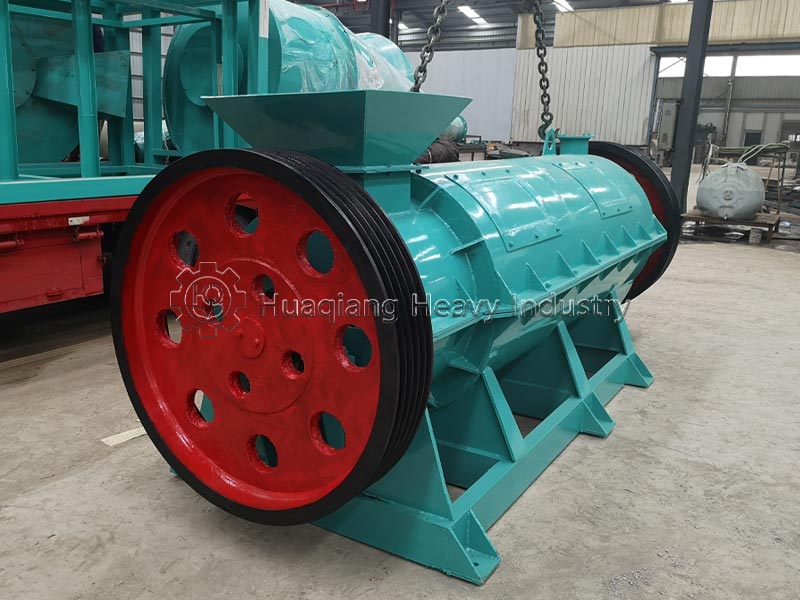
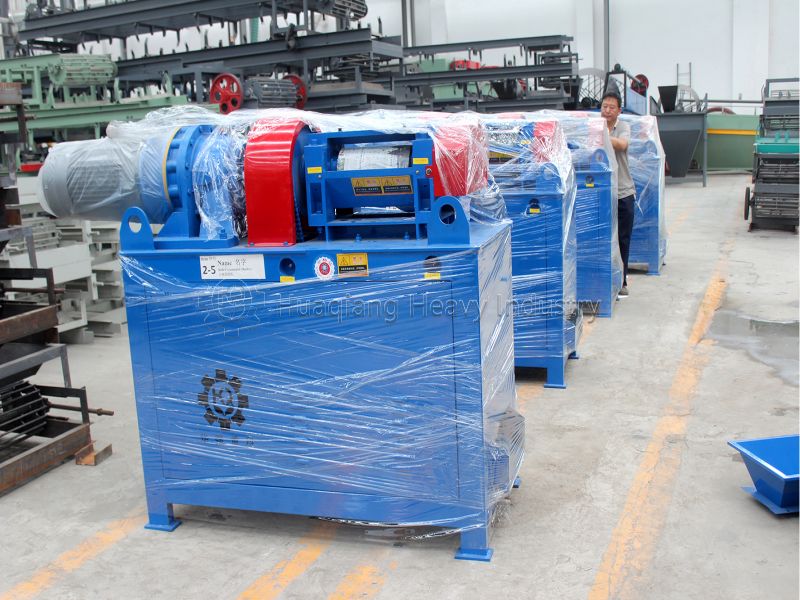
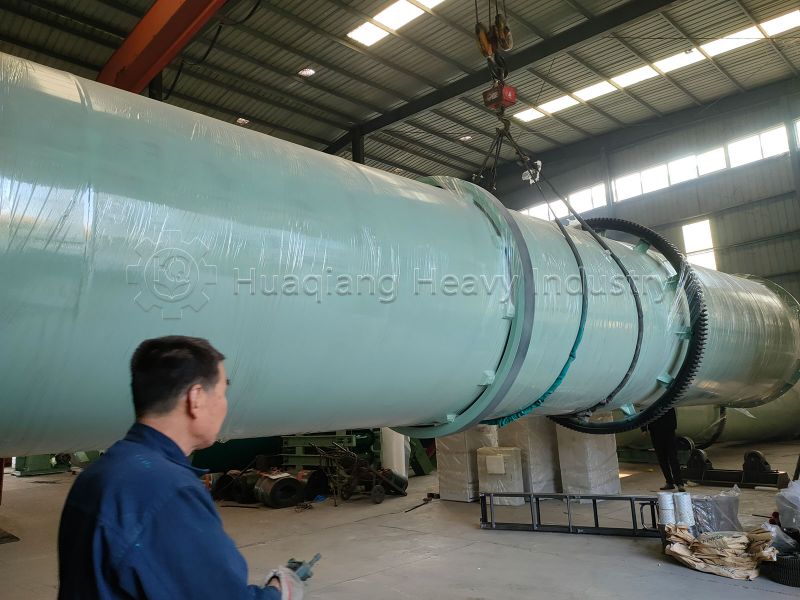
Different granulation technologies entail distinct baseline investment requirements. Disc granulators, which utilize a wet-pelletizing process, feature a simple structure and are easy to commission. They are well-suited for small-to-medium-scale production with a relatively moderate initial investment. While they produce uniform, aesthetically pleasing granules, they require auxiliary drying and cooling systems, which adds to the overall investment. Rotary drum granulators are designed for continuous, large-scale production; they offer higher throughput and consistent pellet formation, but the equipment itself is larger and requires complex auxiliary systems, leading to a higher total investment. Stirring-tooth (agitated-tooth) granulators rely on the kneading and impact forces of high-speed rotating teeth to agglomerate materials. They are exceptionally well-suited for processing highly moist, decomposed organic matter, offering stable pelletization rates and—crucially—protecting the microbial strains essential to bio-organic fertilizers. Although the initial investment is high, they are widely used in organic fertilizer processing plants.
The materials used in the equipment are another major factor affecting investment. Bio-organic fertilizer feedstocks—such as livestock manure, fungal residue, and decomposed straw—are often corrosive. Equipment made from standard carbon steel has a lower purchase cost and is suitable for scenarios involving less corrosive materials and shorter maintenance cycles. Conversely, models that use stainless steel for parts in direct contact with the raw materials offer superior corrosion resistance, better protection for beneficial microbial strains, and a longer service life—all at a higher cost. Furthermore, the manufacturing processes and wear-resistance ratings of high-wear components, such as the stirring teeth and drum liners, also contribute to variations in investment costs.
The level of automation is another factor that influences costs. Entry-level models, which rely on manual feeding and parameter adjustment, feature a low initial investment threshold. In contrast, more advanced models—equipped with features like variable-frequency speed control, real-time monitoring, automated spraying, and intelligent regulation—offer stable control over granule moisture content and pelletization rates. These systems minimize the need for manual intervention and reduce defect rates, making them better suited for large-scale, consistent production, albeit at a higher procurement cost. Furthermore, brand reputation and after-sales support are critical; purchasing directly from the manufacturer eliminates intermediaries, while the scope of services—such as installation, commissioning, warranty coverage, and the availability of wear parts—can significantly influence the quoted price.
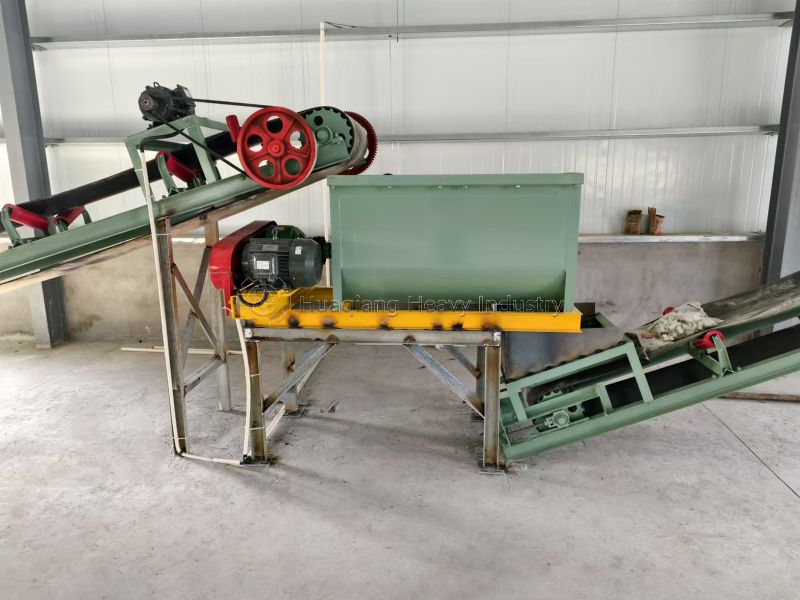
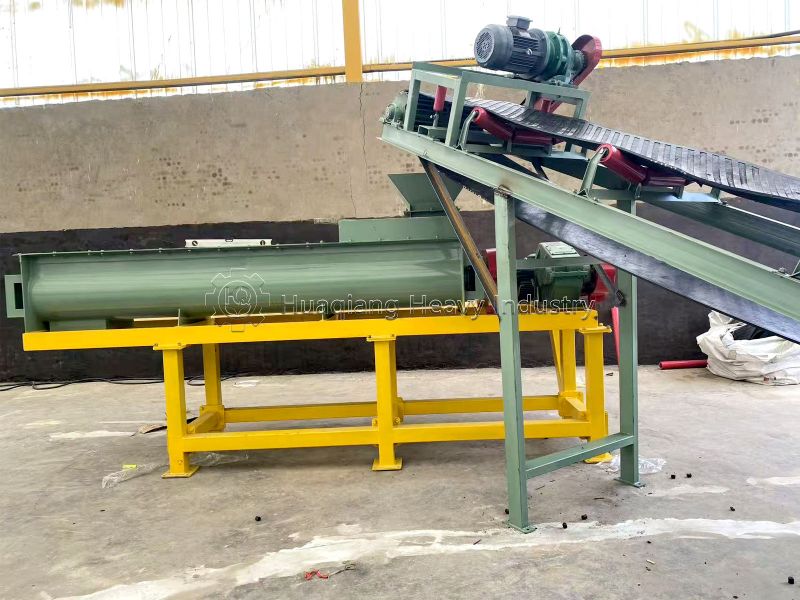
Many operators focus solely on the cost of the main equipment, overlooking the expenses associated with auxiliary systems. Wet granulation processes require integrated drying, cooling, screening, and dust-removal systems. Similarly, while pin-mill (stirring-tooth) granulators are more tolerant of high-moisture raw materials, they still necessitate proper upstream material pulverization and thorough, uniform mixing. When selecting equipment, one should not prioritize low initial investment alone; instead, it is essential to consider factors such as the survival requirements of microbial strains, the specific characteristics of local raw materials, and long-term operational and maintenance costs. The ideal granulation equipment strikes a balance between initial capital expenditure, energy consumption, and final product quality, ensuring that a bio-organic fertilizer production line can consistently yield high-quality, compliant granular fertilizer.