
Manure, bedding, and wastewater residues generated by large-scale livestock and poultry farming are major sources of agricultural pollution. Indiscriminate piling or direct discharge not only breeds pests and generates foul odors but also causes ecological issues such as soil compaction and water eutrophication. The widespread adoption of bio-organic fertilizer production lines has revolutionized waste management in the livestock sector. By employing standardized and intelligent processing techniques, these lines transform waste into valuable resources, achieving the triple goals of harmless treatment, resource utilization, and increased industrial revenue—serving as a core pathway for the circular development of modern agriculture.
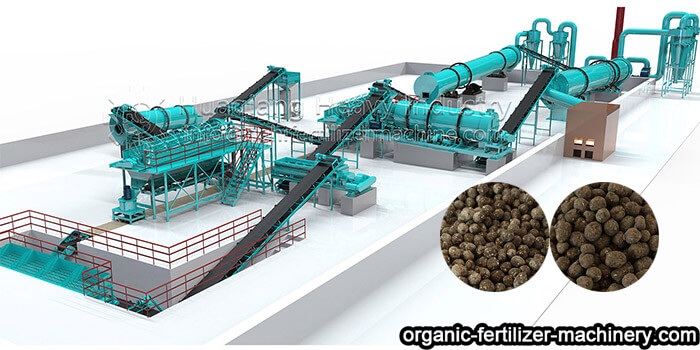
The essence of utilizing livestock and poultry waste as a resource lies in achieving three transformations—reduction, harmlessness, and resource recovery—through bio-organic fertilizer production lines. The process is streamlined and efficient, making it suitable for farming operations of all sizes. The first stage is raw material pretreatment, where the production line uses compost turners and screening equipment to mix and proportion livestock manures (such as cattle, sheep, and chicken manure) with auxiliary materials like crop stalks and spent mushroom substrate. This effectively adjusts the carbon-to-nitrogen ratio and moisture content, addressing issues such as high humidity, impurities, and nutrient imbalances in the waste; it lays the groundwork for subsequent fermentation and decomposition while significantly reducing the waste's volume.
High-temperature aerobic fermentation is a critical step in resource utilization. The organic fertilizer compost turner integrated into the production line periodically turns the material to replenish oxygen; combined with specialized biological fermentation agents, this enables the waste to undergo complete high-temperature decomposition within 7 to 15 days. During fermentation, temperatures exceed 60°C, effectively eliminating parasite eggs, pathogens, and weed seeds. This ensures harmless treatment at the source and prevents the spread of pollution while decomposing harmful substances and stabilizing organic nutrients to avoid secondary pollution.
Once the material has decomposed, the production line processes the loose, composted matter into granular bio-organic fertilizer through a comprehensive series of steps, including crushing, screening, granulation, drying, and packaging. The finished fertilizer is rich in organic matter, beneficial microbial flora, and essential nutrients—including nitrogen, phosphorus, potassium, and trace elements. It provides a gentle, long-lasting fertilizing effect that effectively improves soil structure, alleviates compaction, and enhances the soil's water and nutrient retention capabilities, making it suitable for a wide range of applications such as fruit and vegetable cultivation, landscaping, and grain farming.
Compared to traditional disposal methods like incineration and landfilling, the bio-organic fertilizer production line establishes a genuine closed-loop system connecting livestock waste, organic fertilizer production, and crop cultivation. This process not only resolves environmental challenges associated with livestock farming and reduces pollution control costs for enterprises but also yields high-value-added organic fertilizer that serves as a substitute for chemical fertilizers, thereby fostering the development of green, ecological agriculture.
Today, bio-organic fertilizer production lines have become standard equipment for the transformation and upgrading of livestock and agricultural enterprises. They transform livestock waste from a source of pollution into a valuable resource, achieving a win-win outcome that balances ecological, economic, and social benefits.
_800x600.jpg)
_800x600.jpg)
_800x600.jpg)
_800x600.jpg)