Livestock and poultry manure is a highly valuable organic resource. However, if applied directly to farmland without prior treatment, it can easily harbor pathogens and parasite eggs, generate foul odors, and cause pollution to water and soil. By employing a high-temperature aerobic fermentation process—supplemented with specialized microbial inoculants—manure can be converted into bio-organic fertilizer. This approach not only effectively manages agricultural waste but also yields high-quality fertilizer, thereby promoting a sustainable, circular model of integrated crop and livestock farming.
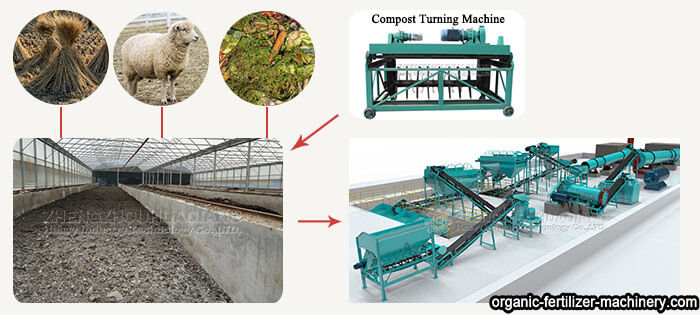
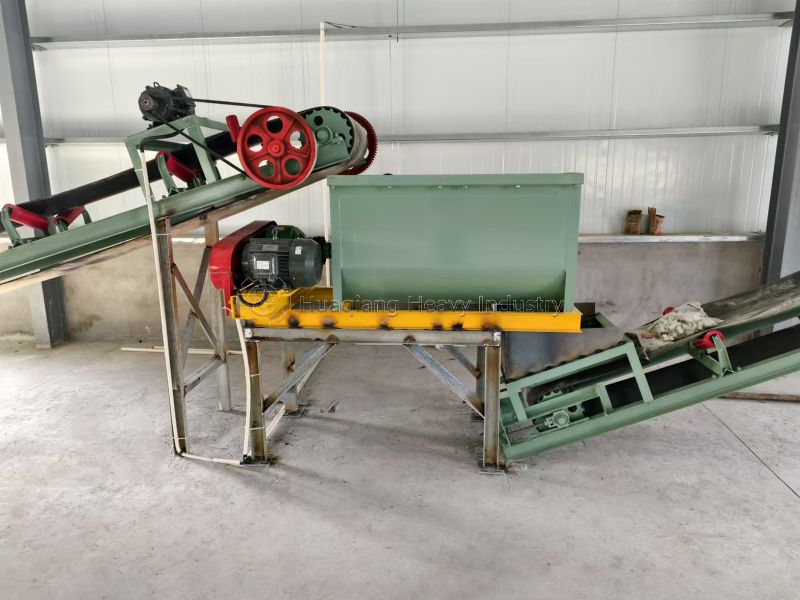
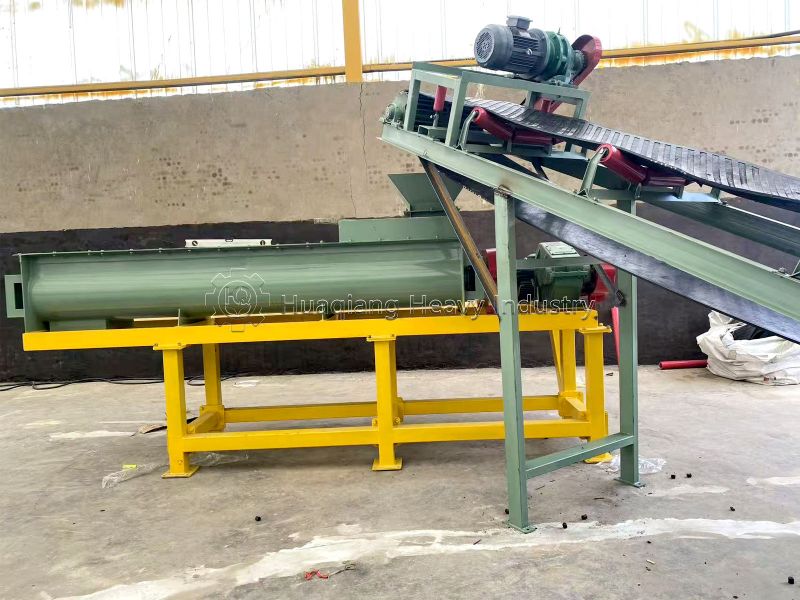
The initial stage of production is raw material pretreatment. Fresh manure typically has a high moisture content and an imbalanced carbon-to-nitrogen (C/N) ratio, necessitating solid-liquid separation. Subsequently, bulking agents such as straw, rice husks, or wood chips are added in specific proportions to adjust the C/N ratio and improve the aeration of the compost pile, while bringing the moisture content to a range of 55%–60%. Microbial inoculants are then evenly incorporated into the mixture; thorough blending creates an optimal environment for microbial activity and helps minimize the foul odors typically caused by anaerobic decomposition.
The core process is high-temperature aerobic fermentation. The prepared material is arranged into windrows or placed into enclosed fermentation tanks, where a mechanical compost turner periodically aerates the pile. The temperature within the pile rises rapidly to over 55°C and is maintained at this level for at least seven days. This high-temperature phase effectively eliminates parasite eggs, pathogens, and weed seeds, ensuring the material is rendered harmless. If the temperature exceeds 65°C, the pile must be turned to dissipate heat and prevent the high temperatures from killing off beneficial microorganisms. The primary fermentation cycle generally lasts 7 to 12 days, during which the material gradually turns brown, and the intensity of any foul odor is significantly reduced.
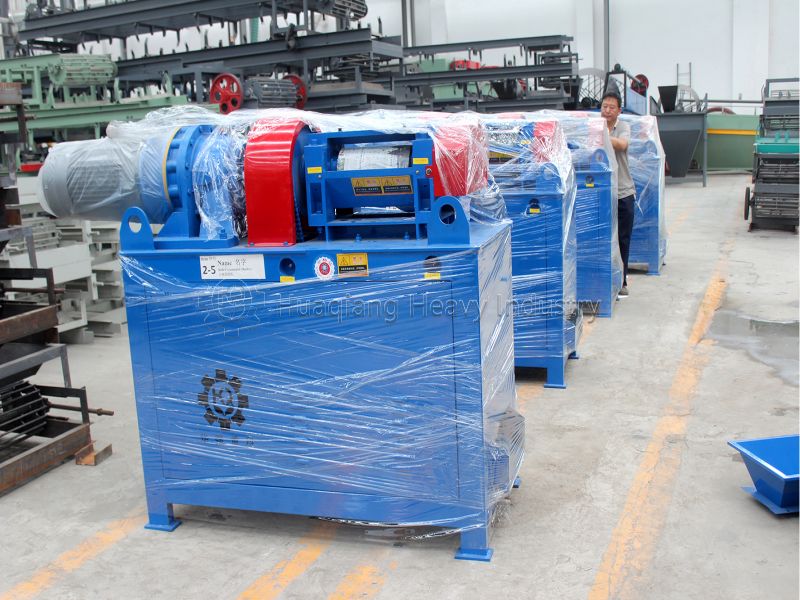
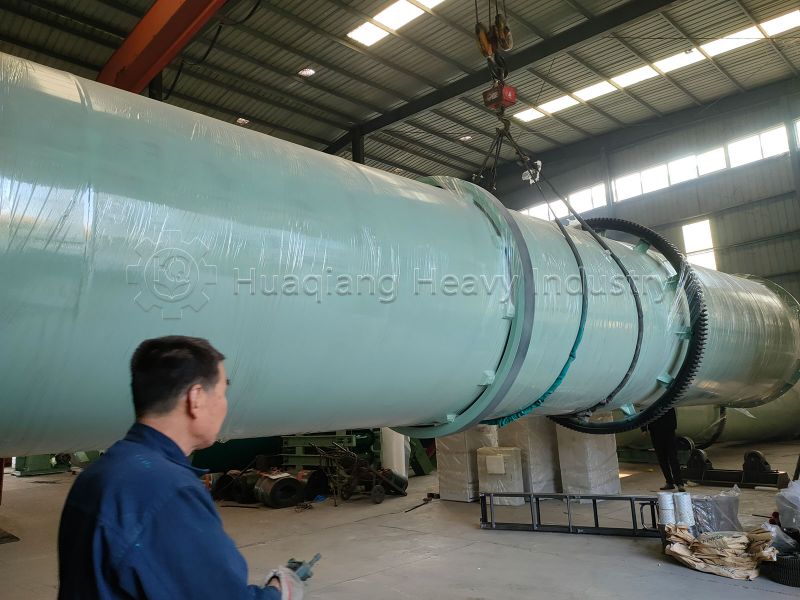
Following fermentation, the material enters a maturation (curing) phase. It is moved to a designated area for slow, continued decomposition, where organic matter is further transformed into humus, stabilizing the fertilizer's nutrient content. Once maturation is complete, the material is screened to remove impurities such as stones or large clumps, after which functional, beneficial microbial strains are added in accordance with product standards. Depending on market demand, the product can be prepared as a powdered bio-organic fertilizer or processed into granular fertilizer using a granulator. Once it passes quality inspection, it is packaged and placed into storage—a complete, systematic process carried out via a dedicated bio-organic fertilizer production line.
The finished bio-organic fertilizer is rich in organic matter and active beneficial microorganisms. When applied to fields, it helps improve compacted soil, enhances the soil's capacity to retain water and nutrients, activates soil nutrients, and reduces the need for chemical fertilizers. This resource-utilization model effectively alleviates the pressure of managing manure and waste from livestock farms, turning waste into a valuable resource. It aligns with the goals of low-carbon, sustainable agricultural development and currently serves as the primary solution for the resource-based utilization of manure from large-scale livestock operations.