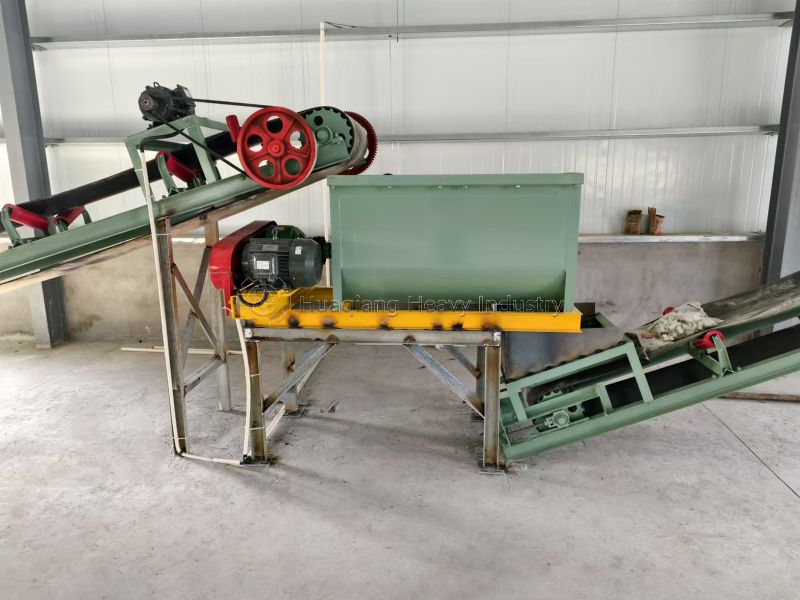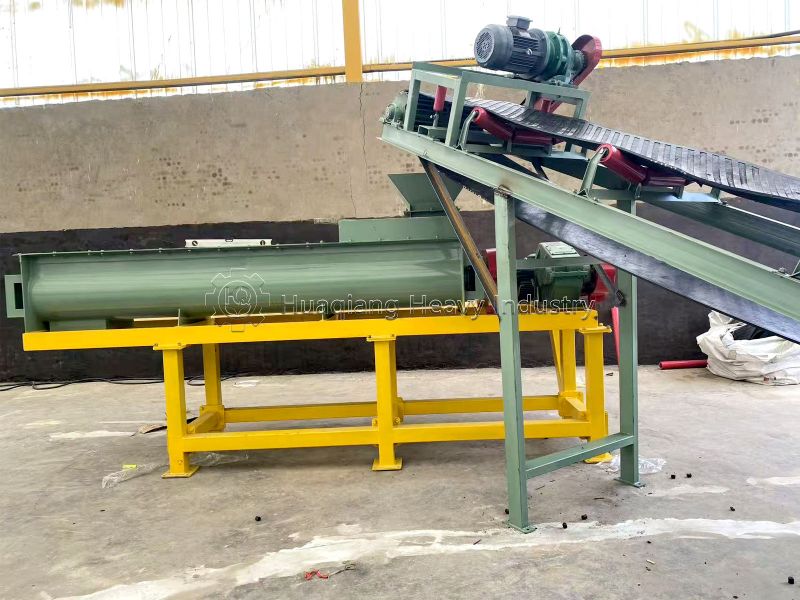
The BB fertilizer blender is the core piece of equipment in a BB fertilizer production line. Since the raw materials often contain corrosive particles—such as those rich in nitrogen or potassium—consistent, standardized daily maintenance is essential. It ensures uniform fertilizer blending, minimizes the segregation of finished products, reduces downtime caused by malfunctions, and extends the overall service life of the machine. Huaqiang Heavy Industry has compiled a practical maintenance plan.

Cleaning is the primary task after each production shift. Once the machine is shut down and the power is disconnected, open the access door to remove any fertilizer residue adhering to the inner walls of the drum, the mixing shaft, and the blades. If possible, run the mixer empty for 3 to 5 minutes; the resulting airflow will help clear away fine, powdery material. If residual material is left to absorb moisture and clump, it will increase the operational load and corrode the drum. Furthermore, when switching to a different fertilizer formula, thorough cleaning is mandatory to prevent cross-contamination, which could compromise product quality.
Pay close attention to the condition of wear-prone components. Mixing blades are subject to high levels of abrasion from constant contact with granular raw materials; if the wear exceeds 5 mm, the blades should be repaired or replaced promptly, as improper gaps between blades will directly lead to uneven mixing. Additionally, tighten all bolts on the drum and frame, and check the lining plates for any signs of loosening or deformation to prevent abnormal noises or material leakage during operation. Before feeding materials, ensure that all debris—such as metal fragments or stones—is removed to prevent damage to the blades and the main shaft.
Proper lubrication and seal maintenance are also critical. Bearings and gear reducers are key components of the drive system; apply the appropriate lubricant at regular intervals to prevent dry friction, overheating, and wear. Inspect the shaft-end seals and discharge outlet seals weekly. If any powder leakage is detected, replace the seals immediately to minimize raw material waste and dust pollution. Given the corrosive nature of BB fertilizer ingredients, monitor the anti-corrosion coating inside the drum; if the coating begins to peel or flake, touch it up promptly to prevent rust.
Finally, never overlook electrical and safety inspections. Before startup, inspect the motor and wiring for signs of aging or damage. During operation, monitor the temperature rise of the bearings and motor; if any abnormal noise or intense vibration occurs, shut down the equipment immediately for investigation. For models using belt drives, regularly check the belt tension and adjust it as necessary to prevent slippage. Maintenance tasks must be performed only after the power has been disconnected and a "lockout/tagout" (or equivalent warning) procedure is applied; it is strictly prohibited to enter the mixing drum for repairs or cleaning while the equipment is in operation.
Maintain a simple maintenance log, categorizing tasks into daily, weekly, and monthly checks—do not wait for a breakdown to perform repairs. By consistently integrating cleaning, routine inspection, lubrication, and parts replacement, you ensure that the BB (bulk blend) fertilizer blender produces high-quality blended fertilizer reliably, reduces operational and maintenance costs, and supports sustained, efficient production for the fertilizer enterprise.