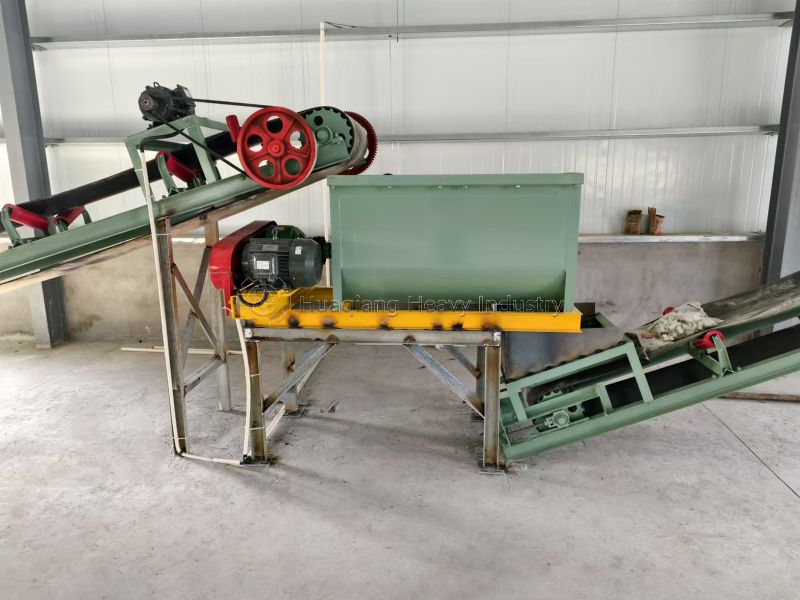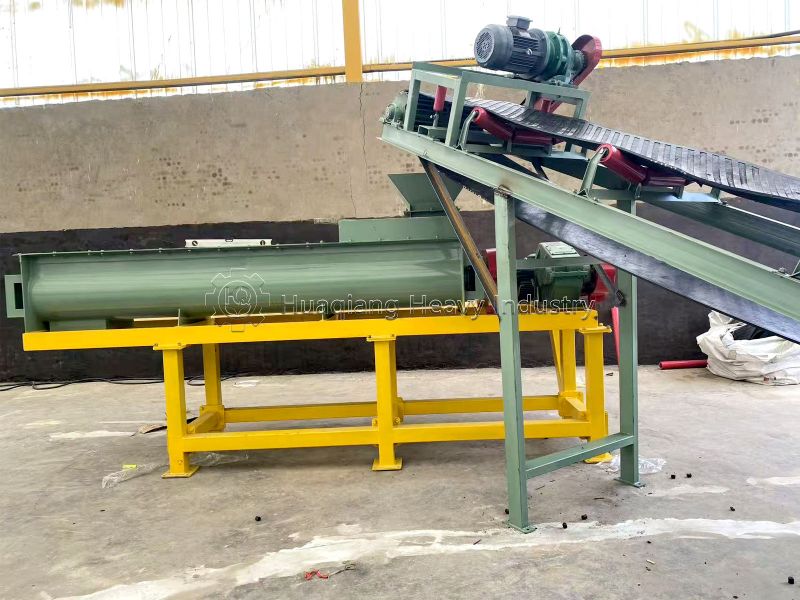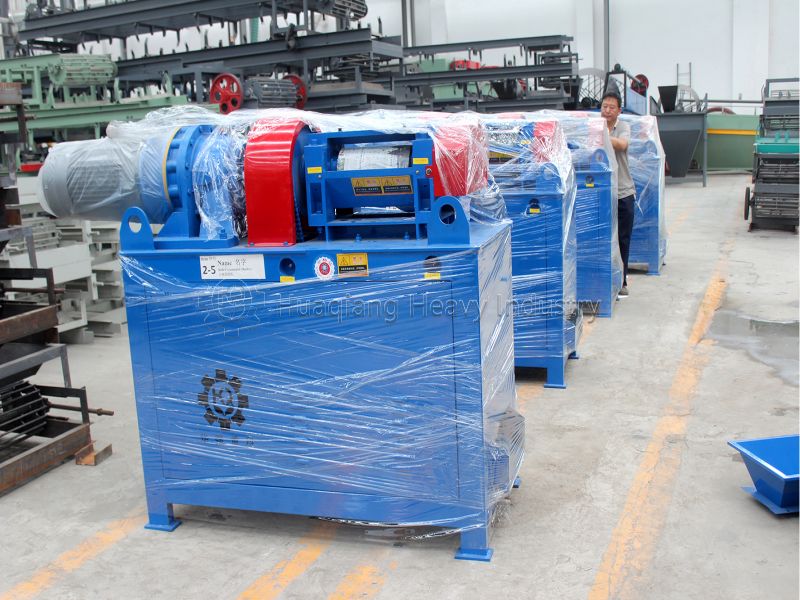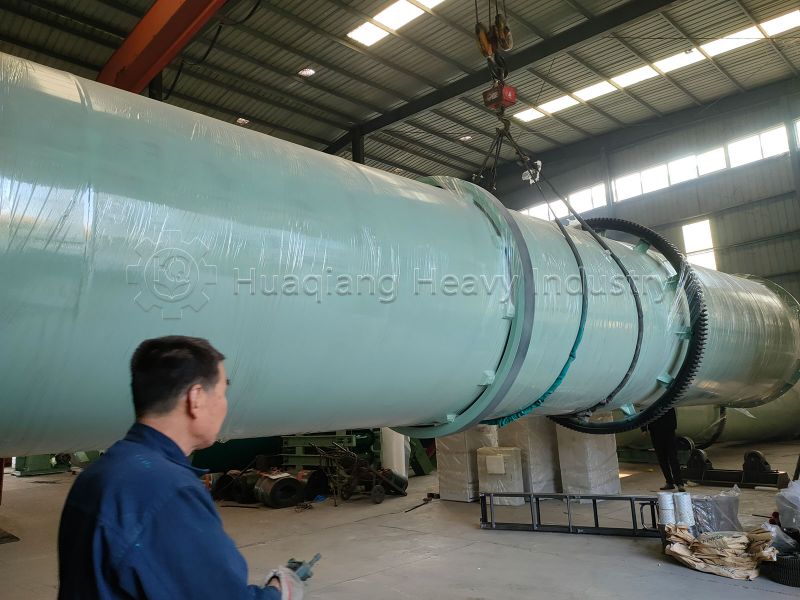
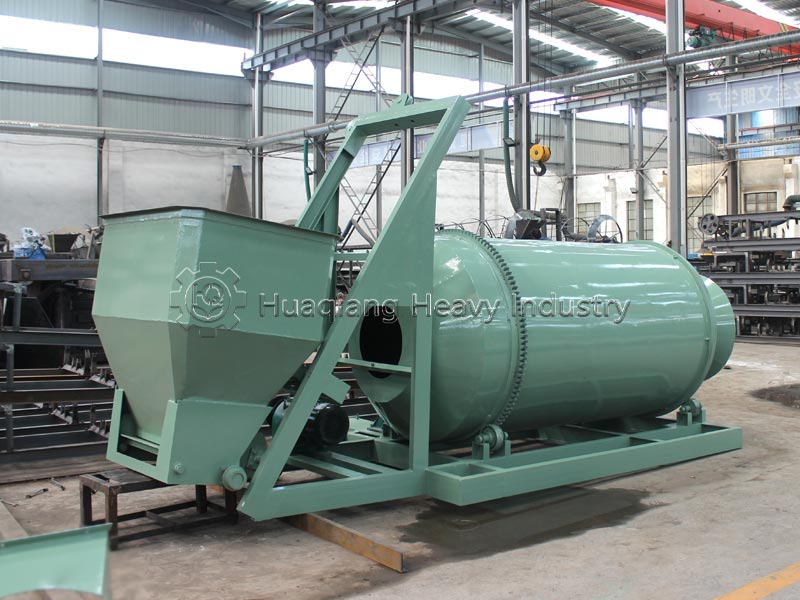
A BB fertilizer blender—also known as a bulk blending mixer—serves as the core equipment in a BB fertilizer production line. It relies on physical mixing rather than chemical reactions. Designed for gentle blending, it ensures that granules remain intact without breaking. It is primarily suited for dry, free-flowing granular materials and stands out as a highly versatile mixing unit within the complete BB fertilizer equipment suite offered by Huaqiang Heavy Industry.
The primary materials processed by these mixers are basic NPK (nitrogen, phosphorus, and potassium) granular fertilizers. Common inputs include nitrogen sources like granular urea, ammonium chloride, and ammonium sulfate; phosphorus sources such as monoammonium phosphate (MAP) and diammonium phosphate (DAP); and potassium sources like potassium chloride and potassium sulfate. These granules typically measure 2–4 mm in diameter, possess high hardness, and remain dry and resistant to caking. As the main components for standard NPK blends, they require the low-speed mixing action of the machine to maintain granule integrity, prevent pulverization, and avoid the stratification (separation) of nutrients in the final product.
Additionally, granular secondary and micronutrient fertilizers can be incorporated into the blend. When producing specialized formula fertilizers, ingredients such as granular boron, zinc, magnesium, or silicon—determined by soil-testing-based prescriptions—can be mixed alongside the basic NPK fertilizers. This allows for flexible adjustments to fertilizer formulas, enabling the creation of tailored fertilization plans for specific plots of land and particular crops.
Functional granular materials are also well-suited for BB fertilizer blenders. These include slow-release coated fertilizers, controlled-release fertilizers, humic acid granules, microbial inoculant granules, and soil conditioners. Such high-value-added materials require strict preservation of their granular structure; the gentle mixing action of the BB fertilizer blender ensures that coatings and microbial structures remain undamaged, thereby safeguarding their slow-release performance and biological activity. This makes the equipment ideal for the production of high-end, customized blended fertilizers.
Furthermore, various auxiliary granular fillers can be added in small quantities to adjust nutrient concentrations or improve the flowability of the material mixture. It should be noted, however, that BB (bulk blend) fertilizer blenders have specific material limitations. They are unsuitable for high-moisture or viscous substances—such as wet manure, sludge, or powdered materials with excessive moisture content—as these tend to stick to the walls and form clumps, leading to uneven mixing and equipment clogging. Similarly, wet or soft organic fertilizer raw materials are not appropriate for these mixers; such materials require specialized equipment designed specifically for organic fertilizer processing.
In essence, BB fertilizer blenders are primarily intended for blending dry, granular materials—ideally those that are free-flowing and have a low moisture content. By selecting the right materials and pairing the mixer with a precise proportioning system, manufacturers can consistently produce high-quality, uniform BB fertilizer blends that are resistant to segregation. This enables fertilizer plants to switch between formulations rapidly while minimizing production losses.