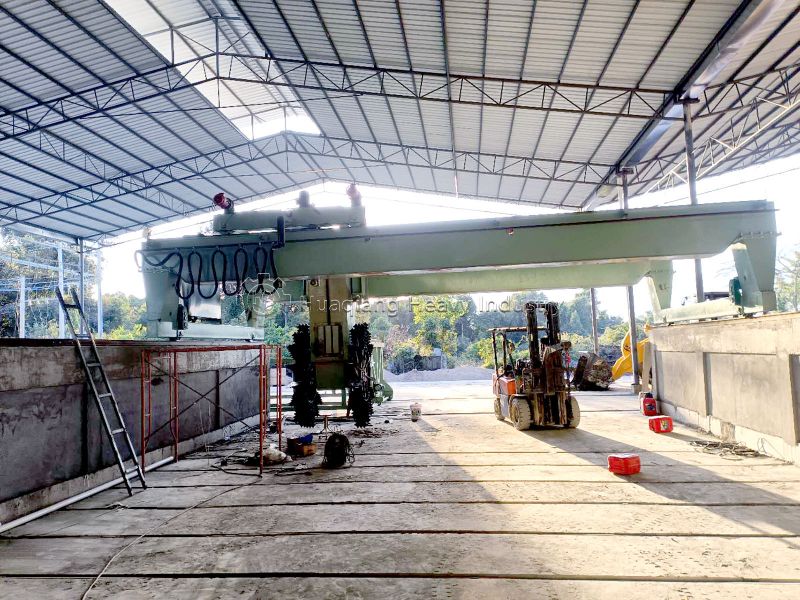
The primary and core function of compost turning machines is to supplement oxygen, ensuring a suitable environment for the reproduction of beneficial bacteria. Aerobic fermentation relies on the aerobic respiration of microorganisms. If the material is piled too densely or becomes compacted, it will lead to internal oxygen deficiency, fostering the growth of anaerobic microorganisms and producing foul-smelling gases. This not only pollutes the environment but also destroys fertilizer nutrients. Compost turners, by periodically turning the material, break up the compacted layer, allowing air to fully penetrate the material. This ensures that beneficial bacteria receive sufficient oxygen, maintaining their activity, promoting the efficient decomposition of organic waste, and avoiding the quality risks associated with anaerobic fermentation.
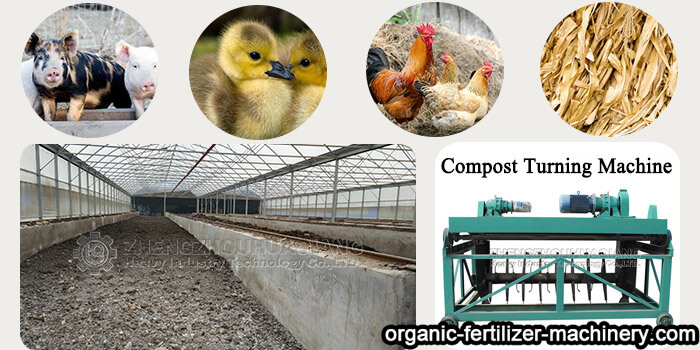
Regulating fermentation temperature and controlling the critical stage of composting is another important function of compost turning machines. Microbial activity during fermentation generates a large amount of heat. If this heat cannot be dissipated in time, excessively high material temperatures will kill beneficial bacteria; excessively low temperatures will cause fermentation to stagnate, prolonging the production cycle. The compost turner, by turning the material from top to bottom, brings the deep, high-temperature material to the surface for heat dissipation, while simultaneously turning the surface, low-temperature material to the depths for heat absorption. This stabilizes the overall temperature of the compost pile within a suitable range of 55-70℃, effectively killing pathogens and insect eggs while accelerating the composting process and shortening the fermentation cycle by more than 30%.
Furthermore, the compost turning machine plays a crucial role in mixing materials and regulating moisture content. Pre-treated raw materials, microbial agents, and returned materials must be evenly mixed to ensure thorough fermentation and uniform nutrient content in the finished product. The compost turning machine achieves comprehensive mixing of materials through turning, preventing localized aggregation or uneven distribution of microbial agents. Simultaneously, the turning process accelerates the evaporation of surface moisture, controlling the moisture content within the suitable fermentation range of 50%-60%, laying the foundation for subsequent granulation, drying, and other deep processing stages.
As the "heart" of the bio-organic fertilizer production line, the stable operation of the compost turning machine directly determines the overall production capacity and yield rate. A malfunction in the compost turning machine will cause fermentation to halt, disrupting subsequent processes and resulting in production losses. High-quality compost turning machines enable continuous operation, reduce manual intervention, lower production costs, and simultaneously improve fermentation efficiency and finished product quality, helping enterprises achieve large-scale, standardized production.
In summary, compost turners are not only essential equipment for bio-organic fertilizer production, but also core support for ensuring product quality, improving production efficiency, and achieving environmental compliance. Their crucial role extends throughout the entire production process, making them a key force driving the green and efficient development of the bio-organic fertilizer industry.
_800x600.jpg)
_800x600.jpg)