"BB fertilizer" refers to bulk-blended fertilizer. A BB fertilizer production line is a complete set of equipment designed specifically for the physical blending of various granular fertilizers. Unlike compound fertilizer production lines, it eliminates the need for high-temperature granulation or drying processes. Instead, it relies on precise proportioning and uniform mixing to produce customized fertilizer blends. This system offers great flexibility in changing formulas, making it highly suitable for soil-test-based, prescription-fertilization requirements. The BB fertilizer production line from Huaqiang Heavy Industry primarily consists of three core components—an automatic batching system, a BB fertilizer mixer, and a packaging machine—complemented by conveying systems and electrical control units to enable integrated, continuous production.
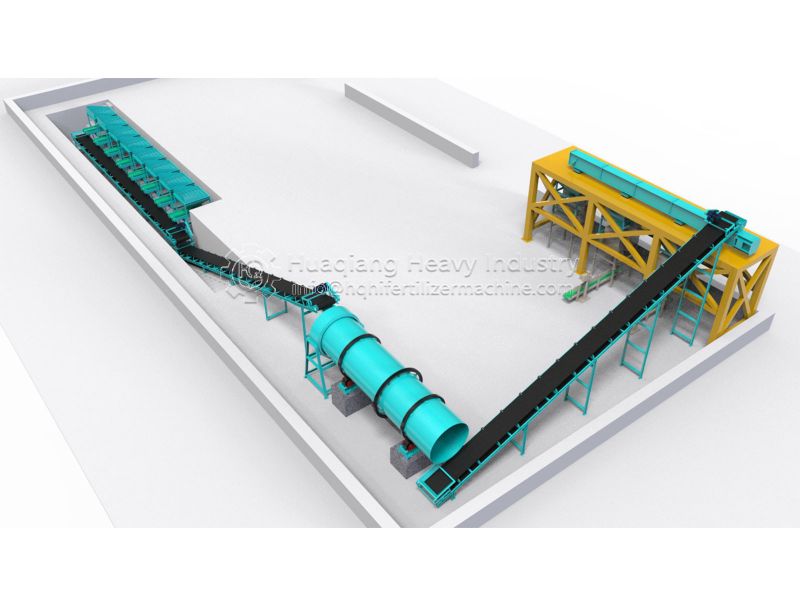
The automatic batching system serves as the foundation of the entire production line. Operators input the desired formula into the electrical control system based on specific crop and soil requirements, setting the proportions for each raw material—such as urea, diammonium phosphate (DAP), potash, and various secondary or micronutrients. Once the system is activated, materials are discharged from their respective storage hoppers. Load cells monitor the weight of the materials in real-time, automatically halting the discharge once the target weight is reached. This ensures precise, quantitative batching, guaranteeing that the nutrient ratios meet the specified formula while minimizing errors associated with manual weighing. The accurately proportioned materials are then transported to the next stage of the process.
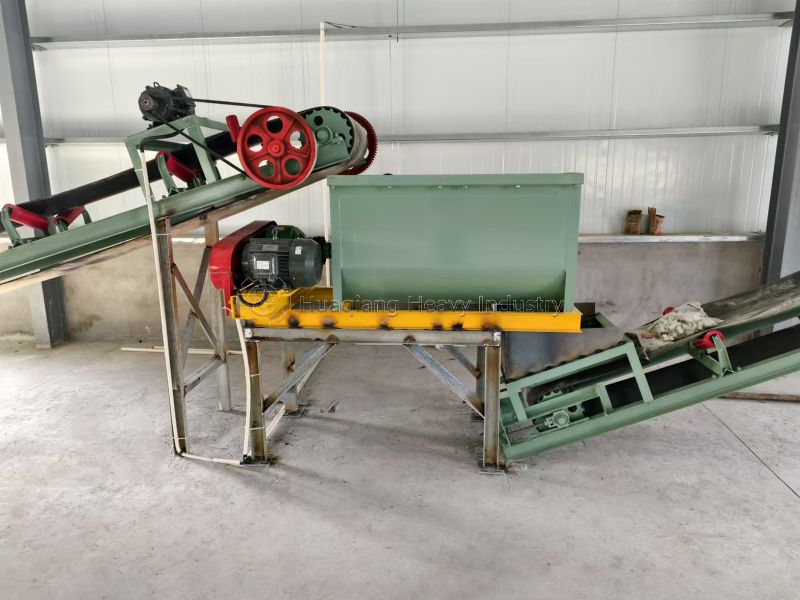
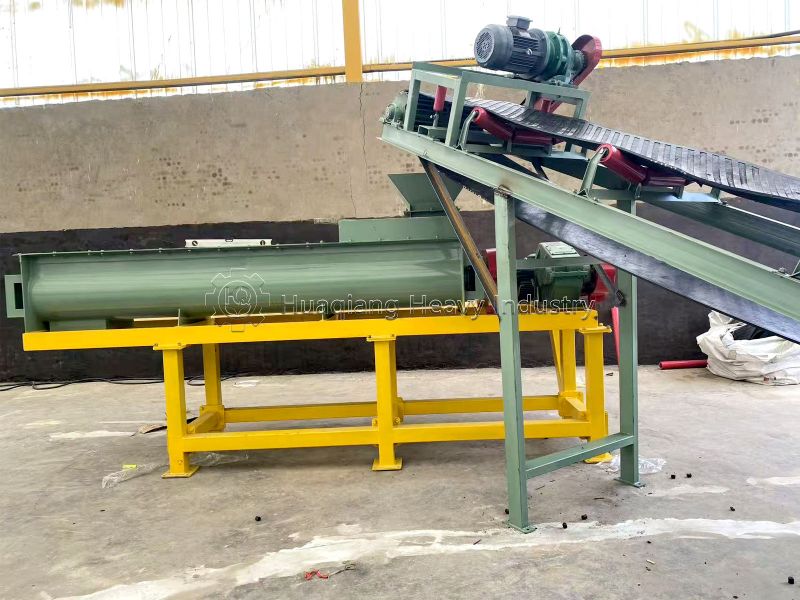
The BB fertilizer mixer acts as the primary blending unit, determining the uniformity of the final product. As materials enter the mixer, they are subjected to multi-directional tumbling and interweaving movements driven by mixing blades and lifting paddles, which thoroughly blend the different types of fertilizer granules. This process is purely physical; no chemical reactions occur. The mixing speed is optimized to ensure thorough nutrient distribution without crushing the granules or generating excessive dust, thereby preserving both the physical appearance of the fertilizer and its effectiveness during application. Once mixing is complete, the material is discharged and moved to the packaging stage.
The automatic packaging machine handles the filling of the finished product. The blended, high-quality fertilizer enters the machine's hopper, where the equipment automatically weighs the material, fills the bags, and seals or stitches them shut. Some models also feature coding systems to print the fertilizer formula and production date directly onto the bags. The resulting packaged products are uniform and neat, facilitating efficient storage, transportation, and sales. The entire production line features a simple and clear workflow—batching, mixing, and packaging—characterized by a high degree of automation, low energy consumption, and rapid commissioning. By simply adjusting the parameters in the batching system, operators can quickly switch between specialized bulk-blended (BB) fertilizers tailored for crops such as wheat, corn, or fruits and vegetables. Offering an excellent price-to-performance ratio, this equipment has become the standard choice for small-to-medium-sized fertilizer plants and agricultural input blending stations; it facilitates precise fertilization and enhances nutrient use efficiency in the field.