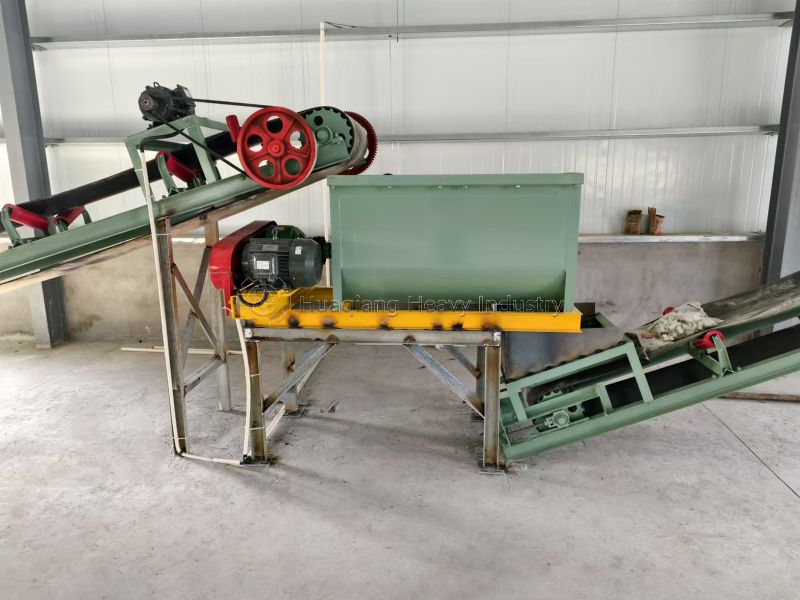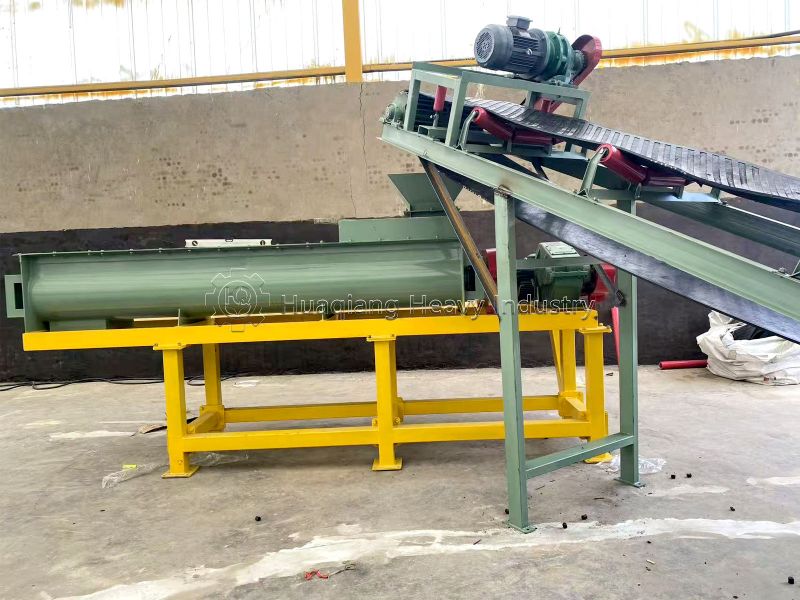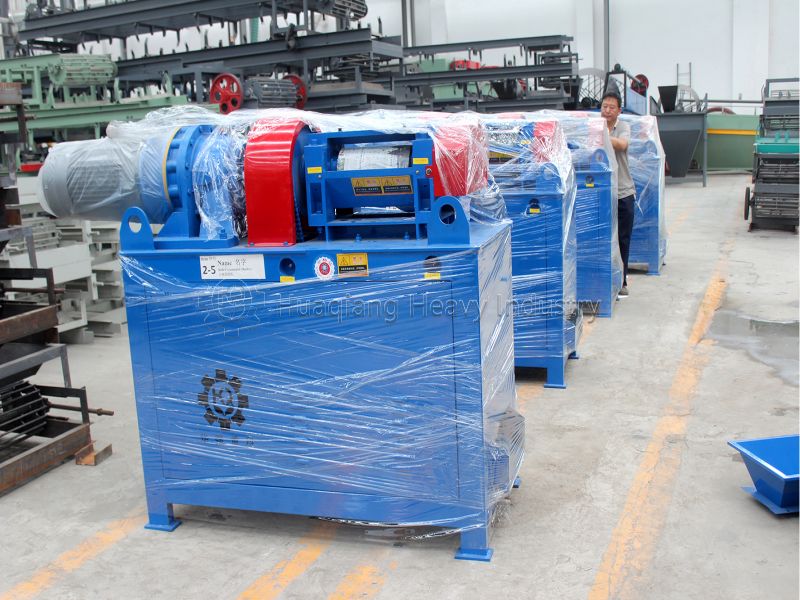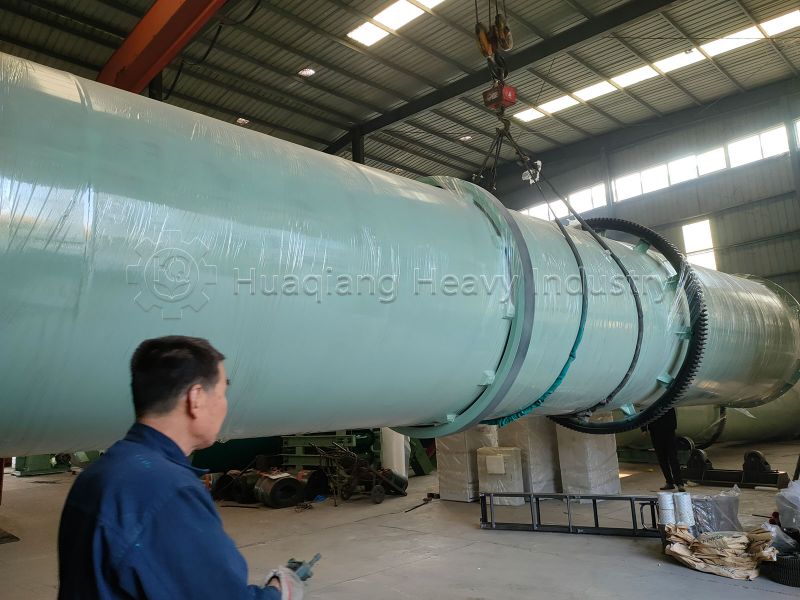
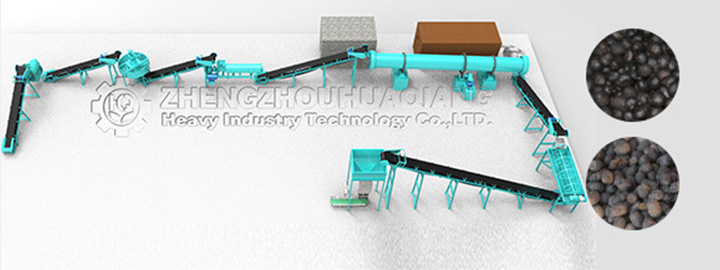
A bio-organic fertilizer production line is a comprehensive set of equipment designed to transform organic waste into valuable resources. It can process a wide variety of raw materials—primarily waste rich in organic matter—through a series of stages, including aerobic composting (turning and fermentation), crushing, ingredient blending, granulation, and drying. By incorporating beneficial functional microorganisms, the process yields high-quality bio-organic fertilizer, effectively addressing waste pollution while producing a premium soil amendment.
Livestock and poultry manure—such as that from chickens, cattle, pigs, or sheep—serves as the primary feedstock for these production lines, as it is abundant in organic matter, nitrogen, phosphorus, and potassium. Because such manure typically has a high moisture content, it is usually mixed with bulking agents like straw or sawdust to adjust the carbon-to-nitrogen (C/N) ratio. The mixture is then processed using a tracked compost turner to facilitate aerobic fermentation, which eliminates parasite eggs and harmful pathogens. This is the preferred raw material for many fertilizer plants due to its stable supply and the maturity of the fermentation process.
Crop straw and agricultural/forestry waste are also commonly used. Materials such as corn stalks, wheat straw, rice straw, peanut shells, rice husks, wood chips, and fallen leaves or branches can all be utilized. Since straw has a high cellulose content and is rich in carbon, it ferments slowly on its own; therefore, it is typically combined with livestock or poultry manure to balance the C/N ratio and ensure the fermentation process reaches the necessary temperatures. Spent mushroom substrate, peat, and similar organic materials are also suitable; spent mushroom substrate, having already undergone one round of microbial decomposition, features a loose texture, a shorter fermentation cycle, and results in a final product with high biological activity.
Byproducts from the processing of agricultural goods—such as rapeseed cake, peanut cake, soybean meal, wheat bran, distillers' grains, vinegar residue, sugar beet/cane pulp, and traditional Chinese medicine (TCM) residues—are highly compatible, offering high protein and organic matter content along with a comprehensive range of nutrients. These materials are generally non-toxic and decompose easily, yielding a nutrient-rich bio-organic fertilizer well-suited for cash crops. Note that TCM residues must be tested for harmful substances to ensure they meet safety standards before being used in production.
Additionally, biogas digestate (following appropriate pre-treatment) and decomposed landscape waste can also serve as raw materials. However, there are strict "red lines" regarding raw materials: inputs containing excessive heavy metals, significant amounts of plastics, or toxic and hazardous industrial waste are strictly prohibited from entering the production line. The bio-organic fertilizer production line from Huaqiang Heavy Industry offers high flexibility; equipment configurations can be adjusted based on the specific raw materials available locally, supporting both powdered and granular fertilizer production processes.
Properly blending raw materials is key to ensuring effective fermentation and high-quality fertilizer. Repurposing various organic wastes not only alleviates the environmental burden caused by incineration or indiscriminate dumping, but the resulting bio-organic fertilizer also helps loosen the soil, improve soil fertility, and reduce reliance on chemical fertilizers—aligning perfectly with the goals of sustainable, "green" agriculture.