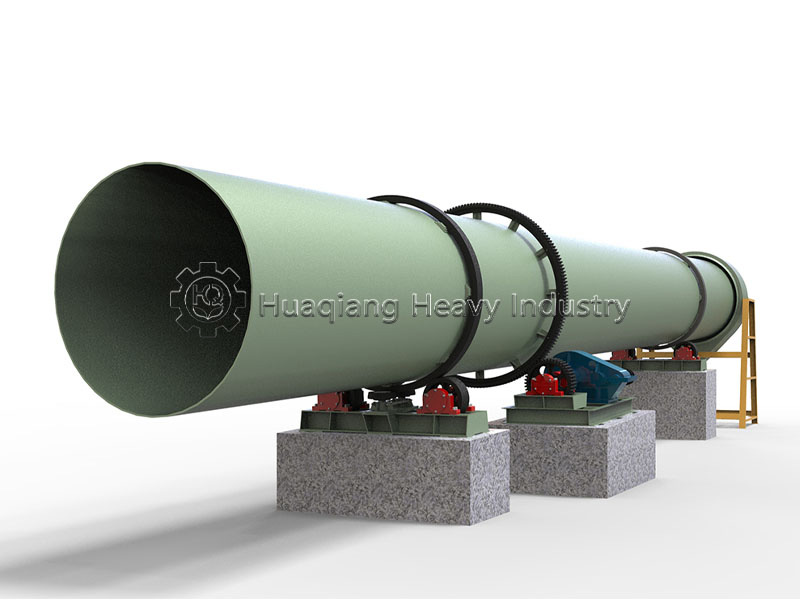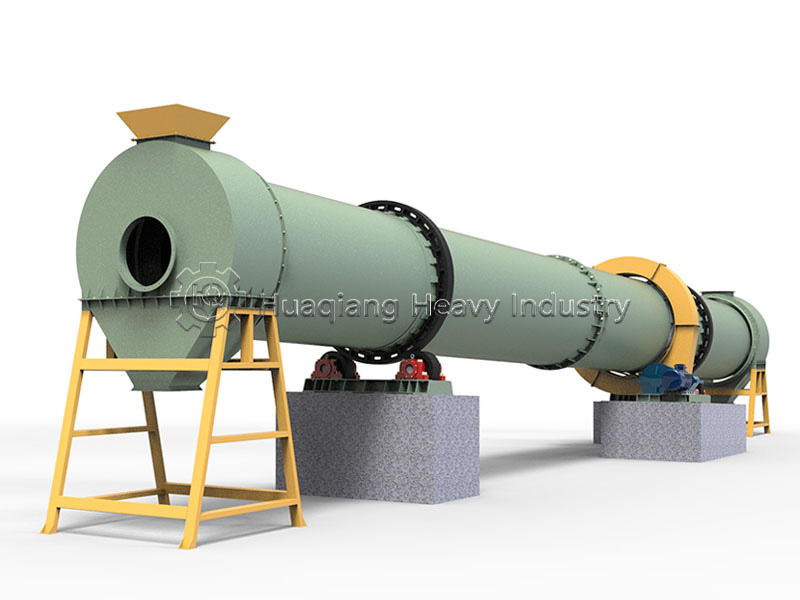
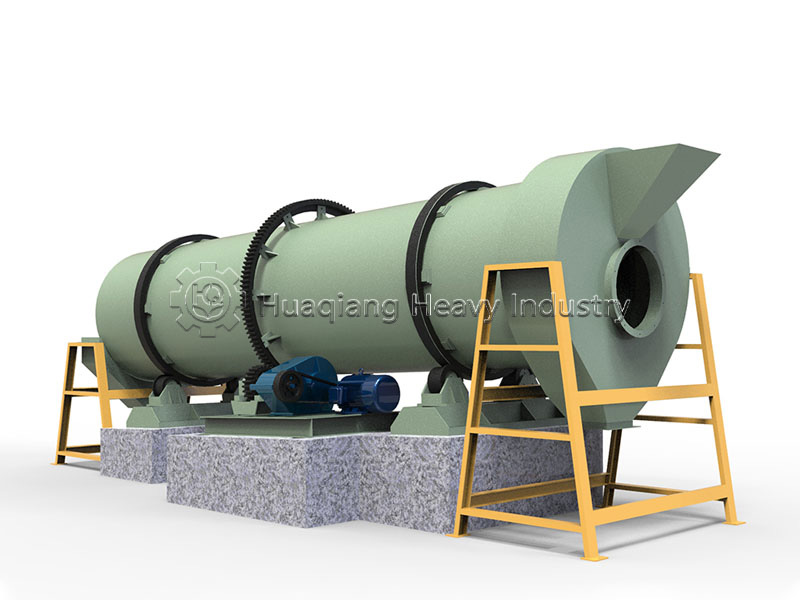
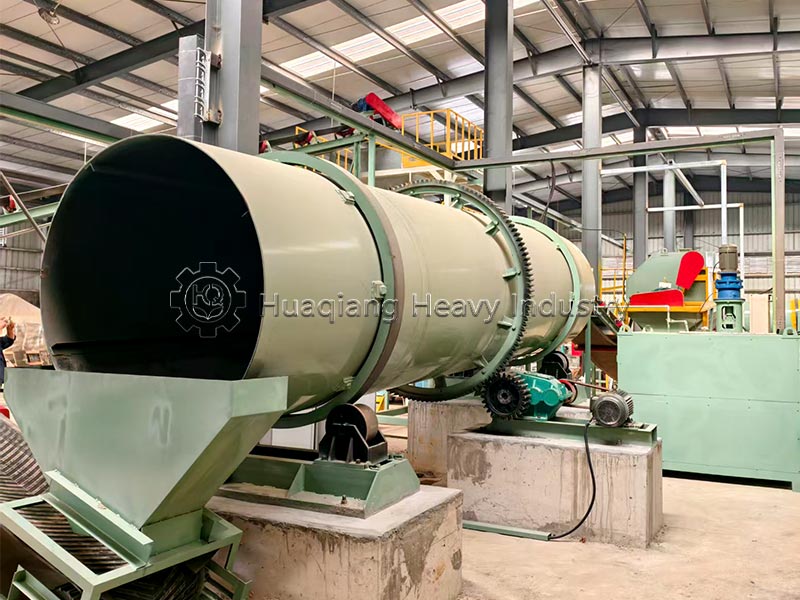
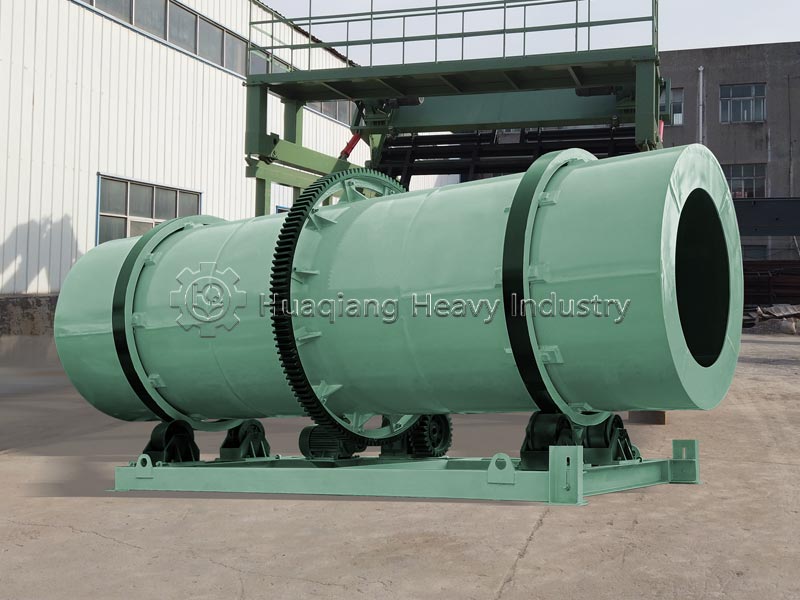
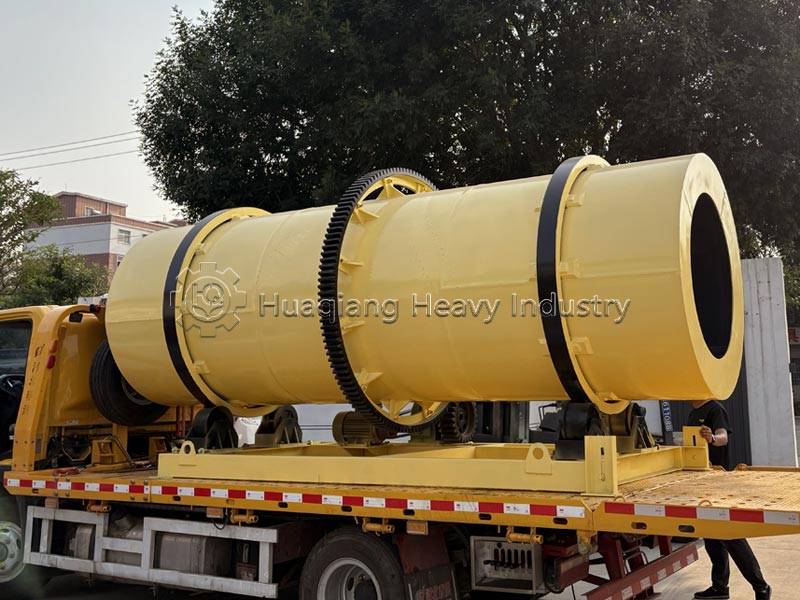
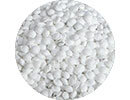
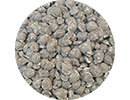
Fertilizer coating machine is a special equipment for treating fertilizers with powder coating or liquid coating process. Simply put, it is to evenly wrap a functional film on the surface of granular fertilizer - this film can be an anti-caking agent, a slow-release material or a controlled-release polymer, with different purposes: preventing caking, controlling the nutrient release rate, and improving the strength and appearance of the granules.
The complete set of coating machine equipment usually consists of a screw conveyor, a mixing tank, an oil pump and a host. The interior of the host barrel is generally lined with polypropylene or acid-resistant stainless steel lining to cope with the corrosiveness of different coating agents. This equipment is widely used in the coating treatment of various types of granular fertilizers such as organic fertilizers, inorganic fertilizers, biological fertilizers, compound fertilizers, slow-release fertilizers, controlled-release fertilizers, etc.
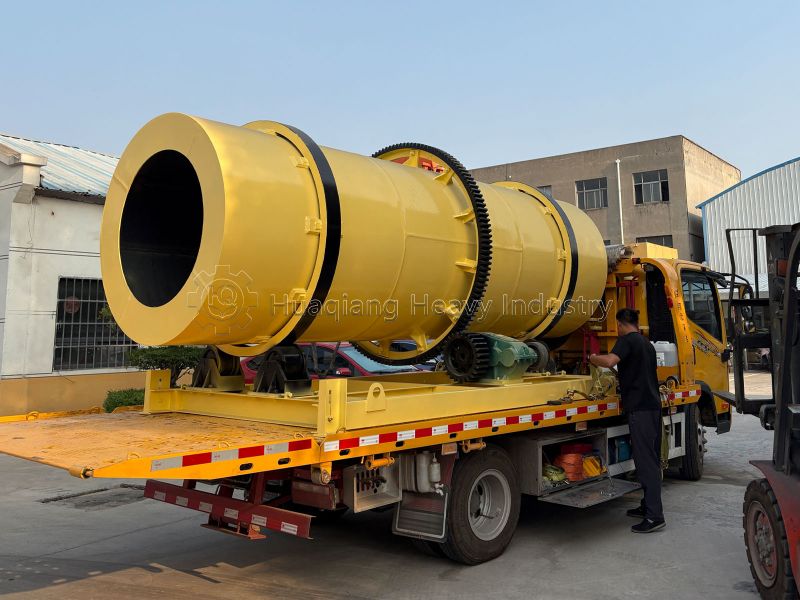
The working principle of a drum-type coating machine is straightforward yet relies on precise mechanical control. As fertilizer granules enter the rotating drum, centrifugal force causes them to rise along the drum wall to a certain height before falling back, creating a continuous tumbling motion. Simultaneously, a spraying system evenly applies liquid coating material (or a powder applicator applies a powdered coating agent) onto the granule surfaces; internal lifting flights facilitate uniform coverage.
Through inter-particle friction and hot-air drying, the coating material cures on the granule surfaces, ultimately forming a stable coating layer. The process hinges on balancing centrifugal force and adhesion: excessive centrifugal force causes the coating material to be flung off, while insufficient adhesion results in a weak bond.
Coating technology has continued to evolve in recent years. Some new equipment models now dynamically match the coating agent spray rate to the fertilizer volume; they utilize the impact force of fertilizer hitting a receiving plate to automatically sense changes in the quantity of fertilizer inside the drum and adjust the spray nozzle opening accordingly. Additionally, intelligent, integrated systems incorporate anti-sticking designs that use dynamically adjustable, deformable components to dislodge fertilizer from recessed areas, thereby preventing granule agglomeration.
Fertilizer coating machines are widely used across the fertilizer industry:
Production of compound and blended fertilizers: In compound fertilizer production lines, the coating machine serves as a core piece of post-processing equipment. By spraying anti-caking oil or coating powder onto the granule surfaces, it effectively prevents caking during storage and transport while enhancing the granules' luster and visual quality.
Production of slow- and controlled-release fertilizers: This is one of the most critical application areas for rotary drum coating machines. Coating materials—such as polyurethane or resins—are sprayed layer-by-layer onto fertilizer granules to form a functional coating that regulates the nutrient release rate. Research indicates that polymer-coated urea (PCU) produced via the rotary drum coating process exhibits excellent slow-release performance.
Production of organic fertilizers: Coating organic fertilizer granules allows for the incorporation of functional additives—such as water-retaining agents and microbial inoculants—thereby extending the duration of the fertilizer's effectiveness.
Production of specialty fertilizers: Coating specialty products, such as micronutrient fertilizers and water-soluble fertilizers, helps stabilize nutrients and prevents caking caused by moisture absorption.
Fertilizer production requires an integrated system rather than a single standalone machine; factors such as build quality, technical expertise, and on-site after-sales support directly impact the facility's operational timeline. Huaqiang Heavy Industry possesses comprehensive capabilities—spanning R&D, sheet metal fabrication, assembly, and on-site installation and service—and has supported livestock waste resource utilization projects across China, with equipment widely exported to overseas fertilizer plants.
In addition to coating and modification equipment, we offer a one-stop procurement solution for the entire processing line, including chain crushers, twin-shaft mixers, rotary dryers, coolers, and automatic packaging machines.
We provide free production line layout planning tailored to the client's raw materials, facility size, and annual output targets. Furthermore, we offer rapid remote troubleshooting and on-site maintenance services to ensure the smooth, reliable daily operation of your fertilizer processing plant.
| Model | Barrel | Capacity | Power | |||
| Internal Diameter | Length | Inclination | Rotation speed | |||
| mm | mm | mm | ° | r/min | t/h | kW |
| BM1200×4000 | 1200 | 4000 | 3 | 14 | 1-5 | 5.5 |
| BM1400×4000 | 1400 | 4000 | 3 | 13 | 5~7 | 7.5 |
| BM1600×6000 | 1600 | 6000 | 3 | 12 | 7~15 | 11 |
| BM1800×8000 | 1800 | 8000 | 3 | 12 | 15~30 | 15 |