With the rapid development of green agriculture, market demand for bio-organic fertilizers continues to rise due to their benefits: soil improvement, enhanced crop quality and yield, and environmental friendliness. Establishing a bio-organic fertilizer production line has become an excellent venture for agricultural entrepreneurship and the transformation and upgrading of the agricultural sector. To successfully launch and operate, newcomers must follow standardized procedures, steadily completing every stage—from initial planning and regulatory approvals to actual production.
Initial planning and site selection form the foundation of the project. First, leverage local resources—such as livestock manure, crop straw, and food waste—as organic raw materials to reduce production costs. The site must be located on land legally designated for industrial use. Layout planning should clearly demarcate zones for raw material storage, fermentation and production, finished product warehousing, and laboratory testing to ensure smooth operational workflows. Space must also be reserved for environmental protection facilities to meet zero-pollution production standards. Furthermore, obtaining environmental impact assessment (EIA) filings and discharge permits in advance is a crucial prerequisite for compliant operation.
Navigating regulatory compliance is a critical step toward launching production. First, register the business entity locally and obtain a business license. Next, secure environmental permits covering emissions of exhaust gas, leachate, and solid waste. If animal-derived waste is used as raw material, approval for animal by-product processing facilities is also required to mitigate biosafety risks. Before the fertilizer enters the market, it must undergo product compliance registration. For the EU market, compliance with Regulation (EU) 2019/1009 allows for CE marking, enabling free circulation across EU member states. In the Americas and Southeast Asia, agricultural authorities require the submission of strain identification reports, heavy metal test results, microbial stability reports, field efficacy trial data, and product label filings; a fertilizer registration certificate is issued upon successful review. Product labels must strictly adhere to local requirements regarding language, ingredient listing, and mandatory warning information.
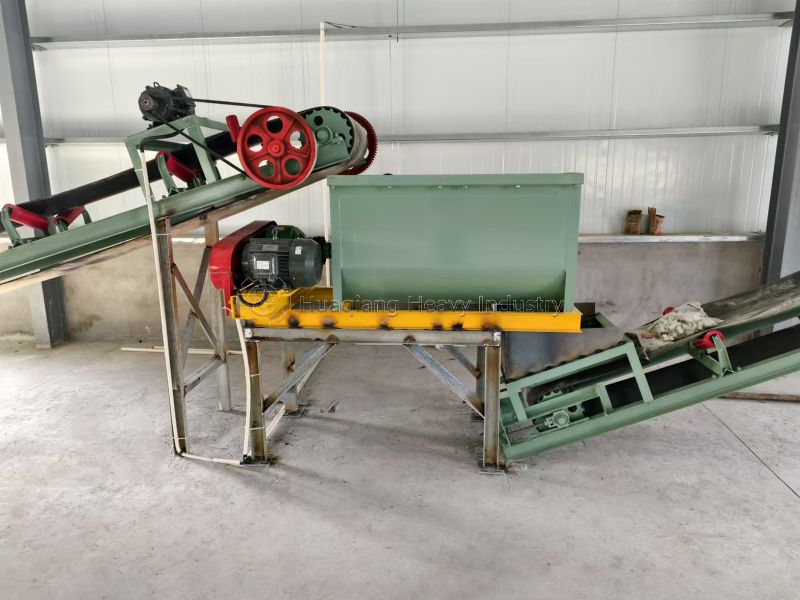
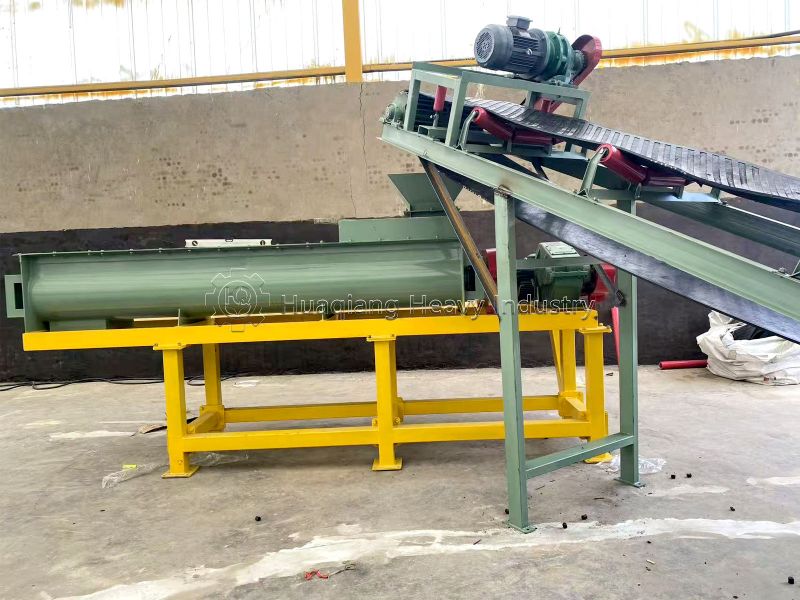
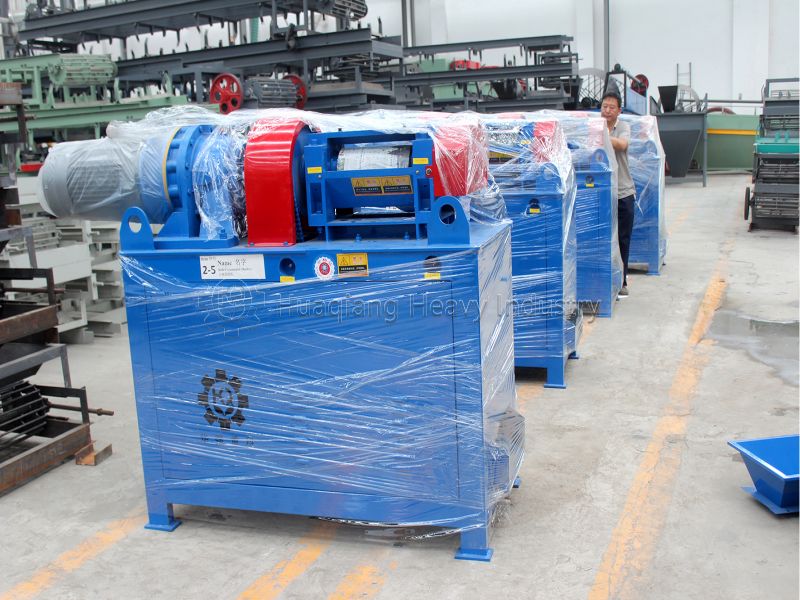
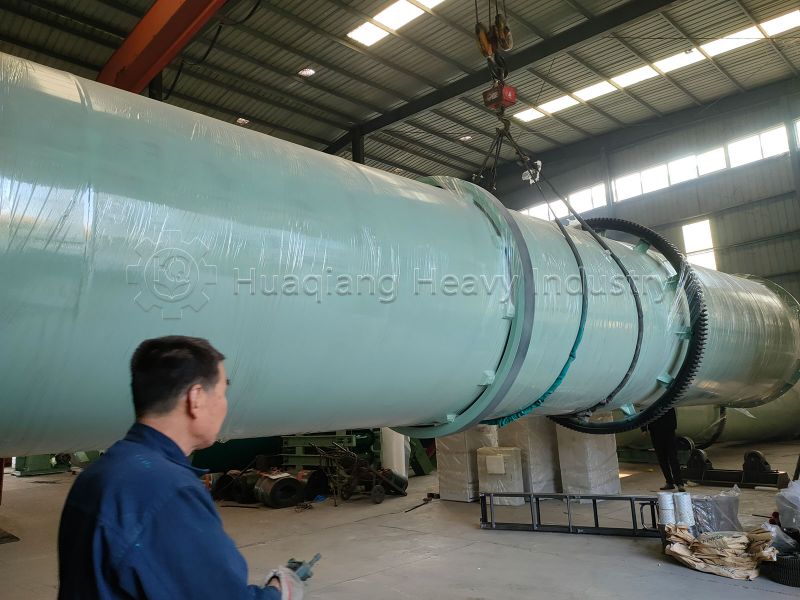
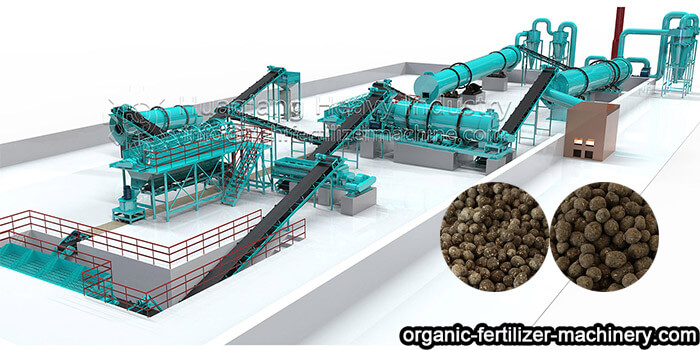
Equipment selection and process configuration determine product quality. The mainstream process for small-to-medium-sized bio-organic fertilizer production lines is aerobic fermentation followed by granulation. Core equipment includes crushers, compost turners, mixers, granulators, low-temperature dryers, screening machines, and automatic packaging machines. Particular attention must be paid to the drying stage; a low-temperature process is essential to prevent high heat from destroying beneficial microbial strains and to preserve the fertilizer's biological activity. The complete process flow comprises: raw material crushing and proportioning → microbial inoculation and fermentation → breaking up and mixing → granulation and shaping → low-temperature drying and cooling → screening and impurity removal → automatic packaging.
Trial production and the transition to routine operations mark the final critical phases. Following equipment installation, trial production is conducted to fine-tune parameters—such as ingredient ratios, temperature, humidity, and fermentation duration—ensuring the product meets standards for nutrient content and viable microbial counts. Once full-scale production begins, systems for raw material traceability, production control, and finished product testing are established to strictly ensure quality. Simultaneously, connections are made with planting bases and agricultural supply distributors to build sales channels and create a closed-loop system linking production and sales.