During the operation of a bio organic fertilizer production line, excessive odor not only pollutes the environment but can also affect the lives of surrounding residents and even hinder the production process. These odors often originate from the decomposition of raw materials and the incomplete fermentation that produces harmful gases such as hydrogen sulfide and ammonia. Identifying the root cause and implementing targeted measures can effectively solve this problem.
Source control is fundamental. Improper raw material selection and pretreatment are the primary causes of odor. It is essential to prioritize the use of well-composted raw materials and avoid the sole use of high-nitrogen, easily decomposable materials such as fresh livestock and poultry manure. During raw material pretreatment, timely crushing and drying are necessary to reduce the moisture content to 50%-60%. Simultaneously, strictly control the carbon-to-nitrogen ratio to 25:1-30:1, which can be adjusted by adding carbon-rich materials such as straw and sawdust, thereby reducing odor generated from decomposition and fermentation at the source.
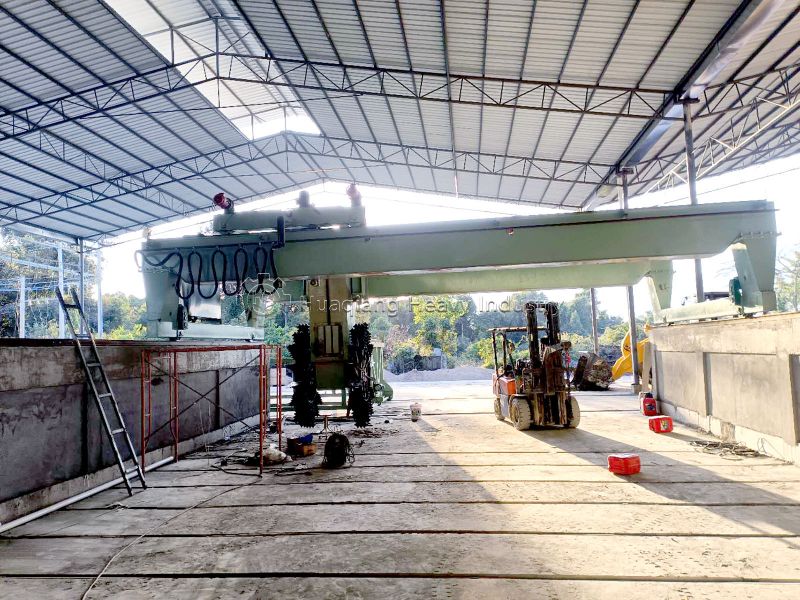
Fermentation process control is crucial. Incomplete fermentation or unbalanced parameters can exacerbate odor. Ensure proper ventilation of the fermentation pile, using a windrow compost turning machine to turn the pile 2-3 times a week to ensure sufficient oxygen and inhibit the growth of anaerobic microorganisms. Precisely control the fermentation temperature, maintaining 55-65°C for 5-7 days. This kills pathogenic bacteria and promotes the efficient decomposition of organic matter by microorganisms. If odor is already present, add composite microbial agents such as Bacillus subtilis and yeast to accelerate the degradation of harmful gases.
End-of-pipe treatment and daily management are indispensable. Install ventilation systems and exhaust gas adsorption devices in the fermentation workshop, using activated carbon and biofilters to adsorb residual odors. During daily production, promptly clean up scattered raw materials to prevent accumulation and decomposition, and regularly check the operating status of the equipment. Furthermore, establish an odor monitoring mechanism to track gas emissions in real time, allowing for early prediction and treatment of potential problems.
Through a comprehensive approach of "source control + process control + end-of-pipe treatment," it is possible to thoroughly solve the problem of excessive odor in bio organic fertilizer production, improve product maturity, and achieve a win-win situation for both environmental protection and production efficiency.
_800x600.jpg)
_800x600.jpg)