Bio-organic fertilizer is a core agricultural input for ecological agriculture. The efficiency and stability of the production line directly determine fertilizer quality, production capacity, and market competitiveness. Currently, many production lines suffer from uneven fermentation, rapid equipment wear and tear, and low finished product qualification rates. To improve quality and efficiency, efforts must be made in multiple aspects, including raw material control, process optimization, equipment operation and maintenance, and refined management, to comprehensively empower production.
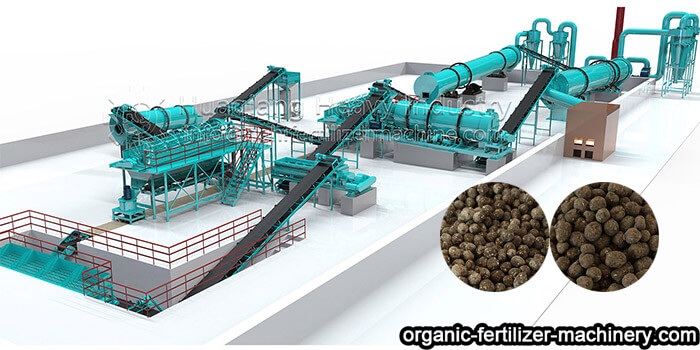
Strict control of raw material pretreatment is the foundation of efficient production. Raw material quality directly affects fermentation results. During production, the carbon-to-nitrogen ratio must be precisely controlled, adjusting the ratio of raw materials such as straw, livestock manure, and humic acid to the optimal range of 25-30:1. Simultaneously, the moisture content of the raw materials should be stabilized at 50%-60% using dehydration equipment, and impurities such as stones and plastics should be removed. Combined with compound functional microbial agents such as Bacillus and Actinomycetes, evenly inoculated at a ratio of 0.1%-0.3% of the total material, this provides excellent basic conditions for microbial fermentation, preventing fermentation failure and insufficient fertilizer fertility in the finished product from the source.
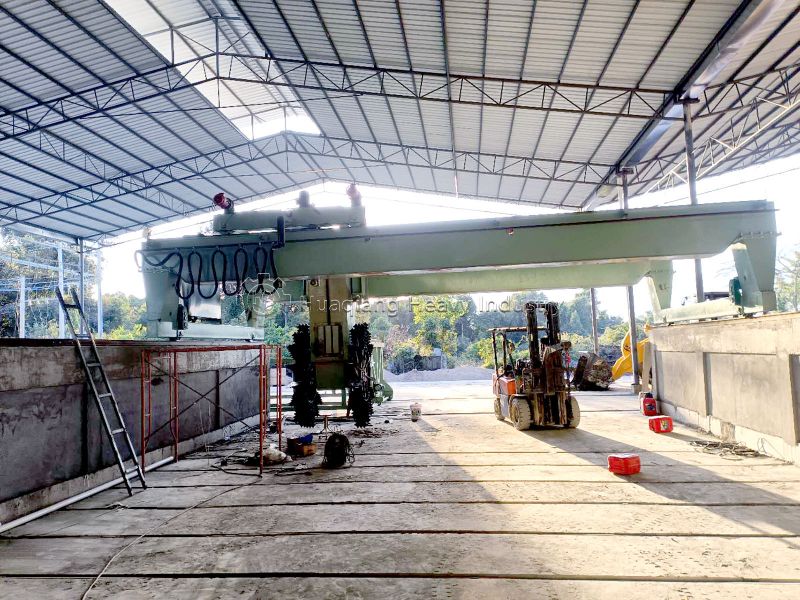
Optimizing the fermentation process is key to increasing production capacity. Fermentation is the core process in bio organic fertilizer production. During production, manual monitoring of the pile temperature, humidity, and aeration is conducted regularly, and the turning rhythm and pile thickness are adjusted flexibly according to the material's maturity. Regular turning increases oxygen, evens out the material, and cools the pile promptly, preventing problems such as oxygen deficiency, burning, and uneven fermentation. Stable control of the fermentation environment effectively shortens the maturity cycle, ensuring thorough decomposition of raw materials and completely eliminating pathogens, insect eggs, and weed seeds. This core process guarantees the fertility and quality of the bio-organic fertilizer, making it suitable for various conventional production lines.
Strengthening equipment maintenance and upgrades can reduce production losses. Regularly inspecting and maintaining compost turning machines, granulators, and screening equipment, and promptly replacing worn parts, prevents equipment failures that could lead to production stoppages. Upgrading to new energy-saving granulation equipment can improve the pelleting rate, eliminate unnecessary drying processes, and significantly reduce energy consumption. Simultaneously, establishing equipment ledgers and implementing daily inspection systems ensures stable operation of the production line around the clock.
Refined production management is the long-term guarantee. Standardize operating procedures for all positions and unify standards for processes such as ingredient preparation, fermentation, granulation, and drying. Maintain accurate records throughout the entire production process, analyze production data promptly, and address issues such as capacity fluctuations and quality deviations in a targeted manner. Simultaneously, strengthen employee skills training to improve operators' ability to control intelligent equipment and regulate processes.
In conclusion, only by combining scientific processes, intelligent equipment, and standardized management to comprehensively optimize the production process can bio-organic fertilizer production lines achieve efficient, low-carbon, and standardized production, thus contributing to the sustainable development of ecological agriculture.
_800x600.jpg)
_800x600.jpg)