With the modernization of agriculture and increasing environmental protection requirements, fertilizer production is facing opportunities for standardized development. Choosing a fertilizer production line that suits your needs is key to achieving efficient production, reducing costs, and enhancing competitiveness. Many practitioners have encountered problems such as wasted capacity, failure to meet environmental standards, and high operating costs due to blindly selecting production lines. Therefore, scientific selection must be based on your own realities and consider multiple core factors.
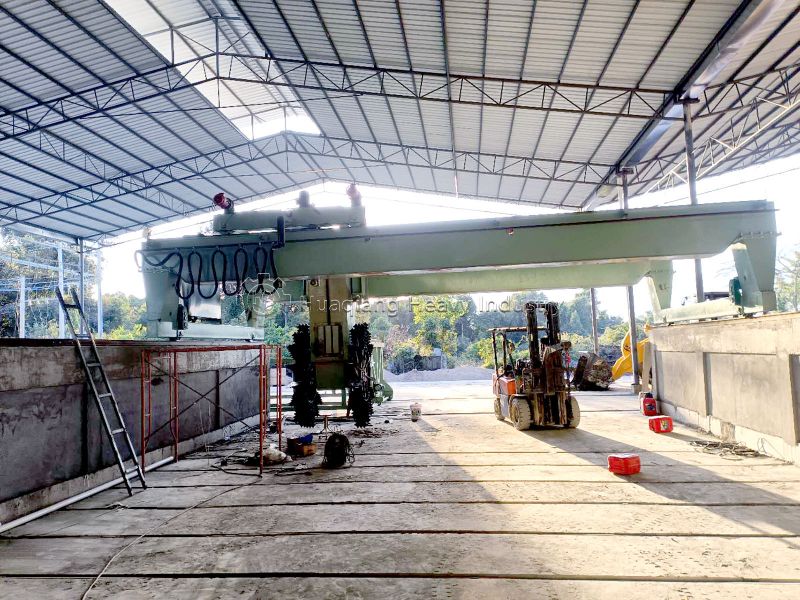
Clearly defining your production capacity and scale is the primary prerequisite for selection. Different production scales correspond to different production line configurations. Small practitioners or start-ups can meet their needs with small production lines with an annual output of less than 5,000 tons, using simple equipment such as windrow turners and horizontal twin-shaft paddle mixers, balancing low cost and practicality. Medium-sized production enterprises can choose production lines with an annual output of 10,000-50,000 tons, equipped with track-mounted turners, automatic packaging lines, and other equipment to improve production efficiency. Large-scale manufacturers need intelligent production lines with an annual output of more than 50,000 tons, achieving full PLC control and reducing manual intervention costs. Avoiding "overkill" or insufficient capacity is crucial for the rational use of resources.
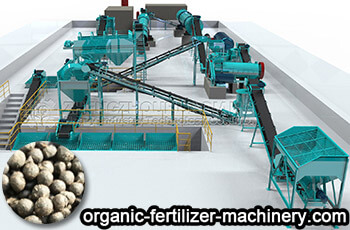
Matching the fertilizer type and raw material characteristics is the core compatibility point for equipment selection. The production processes of different fertilizers vary significantly. Ordinary organic fertilizers emphasize fermentation and pulverization equipment, while bio-organic fertilizer production lines require additional closed-loop inoculation and secondary maturation equipment to meet light-protection and temperature control requirements. Compound fertilizer production requires selecting appropriate granulation equipment based on granulation needs—disc granulators are suitable for viscous raw materials, flat die pellet machines are suitable for coarse fibrous raw materials, and rotary drum granulators are preferred for large-scale production. Simultaneously, it's necessary to consider local raw material supply and select equipment compatible with raw materials such as straw and livestock manure to reduce raw material processing costs.
Balancing environmental compliance with cost-effectiveness is crucial for long-term operation. With increasingly stringent environmental policies, closed-loop equipment with deodorization and dust removal systems should be prioritized to avoid exhaust gas and dust pollution and prevent penalties for non-compliance. Cost-effectiveness is not simply about pursuing the lowest price; it requires comprehensive consideration of equipment purchase price, energy consumption, and maintenance costs. Some equipment may have low purchase costs but high energy consumption and easy wear and tear in the long run, increasing the operational burden. Furthermore, it's crucial to pay attention to the manufacturer's after-sales service. Choose brands that offer on-site installation, technical training, and timely fault response to avoid production disruptions due to equipment malfunctions.
In short, choosing a fertilizer production line doesn't require blindly pursuing high-end or large-scale options; the key is "suitability." Based on your own production capacity needs, clearly define the type of fertilizer, consider both environmental protection and cost-effectiveness, and combine this with the manufacturer's strength and service. Only then can you select a production line that meets production requirements while reducing operational risks and improving efficiency, laying a solid foundation for the steady development of your fertilizer production business.
_800x600.jpg)
_800x600.jpg)