The double-roller press granulator is a core piece of equipment for forming powdered materials in fertilizer production lines, chemical industries, and other sectors. It is widely used due to its high efficiency, energy saving, and high granulation rate. Standardized operation not only ensures stable granule quality and extends equipment service life but also prevents safety accidents and improves production efficiency. Based on practical production experience, its operating essentials can be divided into three main stages: pre-startup preparation, in-operation control, and post-shutdown maintenance, each requiring meticulous attention.
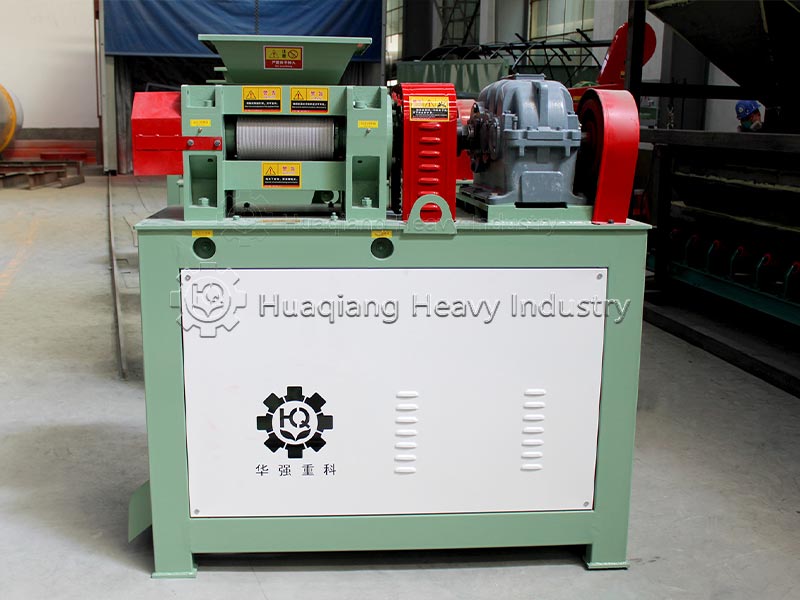
Pre-startup preparation is the foundation for safe and efficient operation. First, check the overall condition of the equipment, calibrate the machine body with a spirit level to ensure that the axes of the double rollers are on the same horizontal plane, and tighten the anchor bolts and connecting bolts of each component to prevent vibration and displacement during operation. Second, check the lubrication system, add an appropriate amount of lubricating oil to the bearings and gearbox to ensure proper lubrication, and clean the feed port and any debris between the rollers. Check that the magnetic separation device is working correctly to prevent iron impurities from entering and damaging the roller surface. Finally, control the quality of raw materials, ensuring that the moisture content is between 20% and 35% and the fineness meets the standards, and remove stones and other hard objects to avoid affecting the granulation effect and equipment safety.
In-operation control is crucial for ensuring granule quality. Startup must follow the standard procedure: first, run the machine empty for 30 seconds to confirm that there is no jamming or abnormal noise, and that the double rollers are rotating correctly, before gradually feeding in the material. The feeding rate should be uniform and stable, controlled by variable frequency speed control, to avoid material interruption or overload. During operation, monitor parameters in real time, record the granulation rate and granule strength every hour, and observe whether material is sticking to the roller surface. If granule breakage or rough surface occurs, adjust the pressure between the rollers promptly. If a sudden surge in current or equipment vibration is detected, stop the machine immediately for troubleshooting. It is strictly forbidden to clean the material stuck between the rollers while the machine is running to prevent safety accidents.
Post-shutdown maintenance is essential for extending equipment life. Shutdown should be performed in the reverse order: first stop the feeding, and after the hopper is empty, stop the granulator and auxiliary equipment. Thoroughly clean the remaining material inside the machine, focusing on cleaning the dead corners between the rollers and the feed port to prevent material caking and corrosion of the equipment. Routine maintenance is essential. Clean impurities from the magnetic separation device every shift, check the roller surface wear and lubricating oil quality weekly, and inspect the bearing condition monthly. Repair or replace the roller surfaces promptly if wear is severe to ensure long-term stable operation of the equipment.
Following these operational guidelines effectively improves equipment efficiency, reduces failure rates, and ensures consistent particle quality. Operators must receive professional training, be familiar with the equipment's principles and operating procedures, and strictly follow the established processes to maximize the efficiency of the double roller granulator and ensure smooth production.
_800x600.jpg)
_800x600.jpg)