
Answer: Bio-organic fertilizer production lines typically operate continuously, handling high-moisture, high-organic-content powders that are prone to sticking to walls, clumping, and corroding equipment. Daily maintenance directly determines production efficiency and product quality; the core maintenance focus lies in four areas: cleaning, inspection of wear parts, lubrication, and general system inspections.
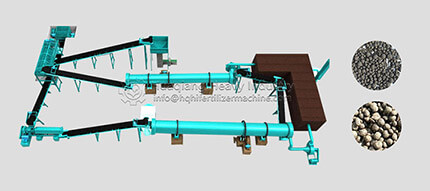
First is daily cleaning: after each production shift, residual materials must be thoroughly cleared from the windrow compost turner, crusher, granulator, screening machine, and conveying equipment. This prevents materials from becoming damp, moldy, or hardened—which could clog equipment channels—and stops the proliferation of harmful bacteria that could compromise the quality of the next batch of fertilizer. Second, high-frequency inspection of wear parts is essential; components such as blades, screens, granulation dies, and bearings require regular checks. Prompt replacement of worn or deformed parts prevents issues like equipment jamming, uneven discharge, and substandard granule quality.
Lubrication and temperature control are also critical. Specialized lubricant must be applied to drive bearings and gear reducers according to specifications to prevent dry friction and wear. Operators must also monitor operating temperatures and motor conditions to prevent burnout caused by overloading. Finally, comprehensive system inspections and electrical checks are necessary to promptly identify and address potential issues such as abnormal noises, material leakage, or loose belts.
To help manufacturers ensure worry-free operation and stable, high-volume production, Huaqiang Heavy Industry offers one-stop after-sales maintenance services. Backed by a dedicated technical team, the company provides guidance on regular equipment overhauls, supplies genuine replacement parts, and offers technical training on operation and maintenance. These services standardize maintenance procedures, effectively reduce downtime caused by breakdowns, significantly extend equipment lifespan, and enable enterprises to maintain continuous, cost-effective, and highly efficient production.
_800x600.jpg)
_800x600.jpg)
_800x600.jpg)
_800x600.jpg)