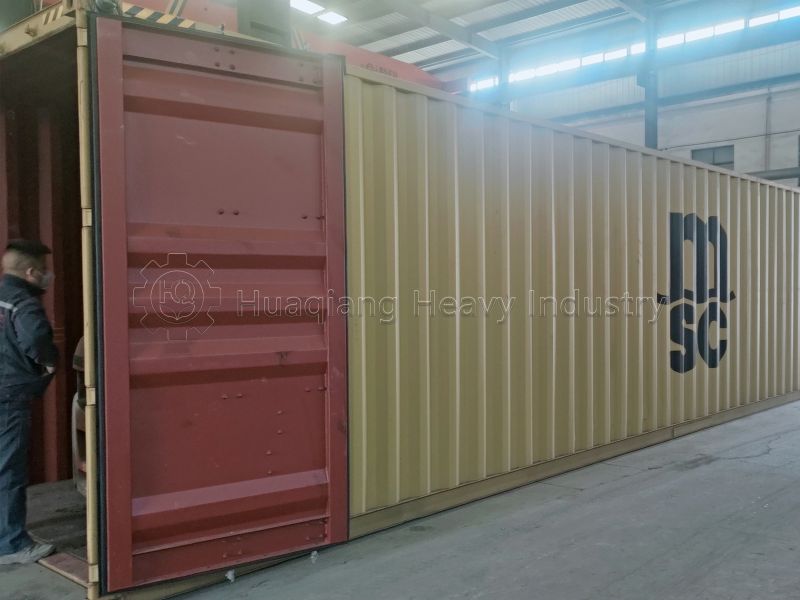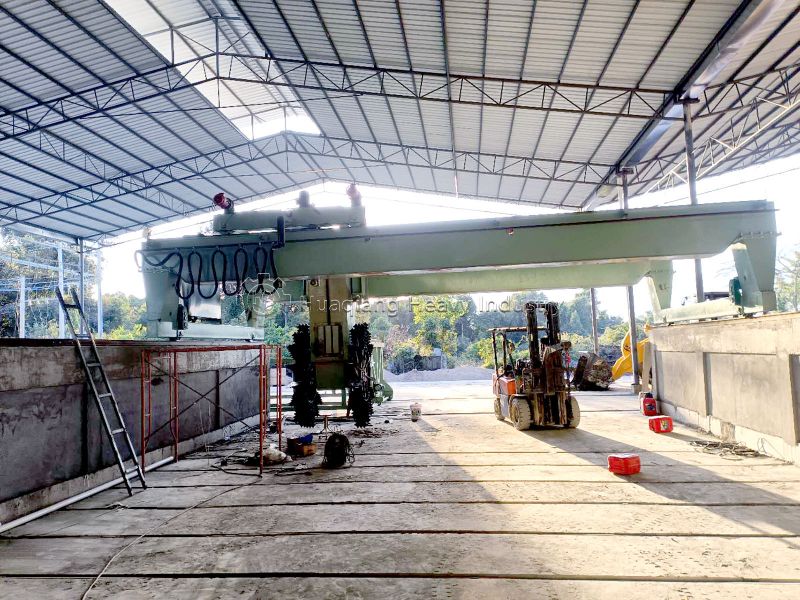
Bio-organic fertilizer uses organic waste such as livestock and poultry manure, crop straw, and mushroom residue as raw materials, processed through microbial fermentation and composting. It also improves soil quality and efficiency. A complete bio-organic fertilizer production line has clear processes and complete equipment, divided into four main stages: raw material pretreatment, high-temperature aerobic fermentation, fine processing, and finished product packaging. Equipment at each stage is precisely matched to ensure fertilizer quality meets standards.
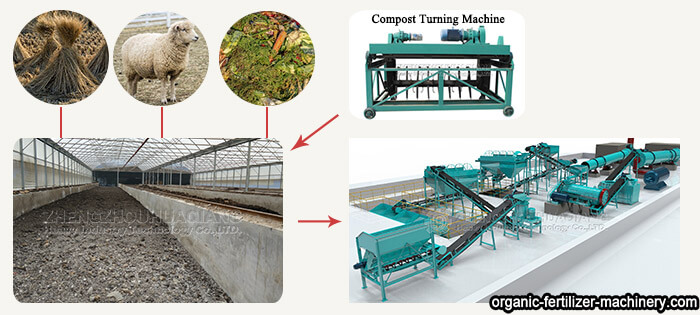
Raw material pretreatment is the foundation of production, focusing on optimizing the raw material state to suit subsequent fermentation processes. During production, impurities such as stones and plastics are first separated from the raw materials. Using straw crushers and semi-wet material crushers, straw and clumps of manure are crushed to 3-5 cm to increase the material contact area. Then, an automatic batching system and double shafts paddle mixer mixes the main materials, auxiliary materials, and fermentation agents in proportion, adjusting the carbon-to-nitrogen ratio to 25-35:1 and the moisture content to 50%-60%, creating suitable conditions for microbial reproduction.
Aerobic fermentation and composting is the core process determining the fertilizer's fertility and safety. The prepared materials are piled into standardized windrows or fed into fermentation tanks, where they are periodically turned and stirred using a windrow compost turner or a large wheel compost turner. The fermentation cycle is approximately 15-30 days. In the early stage, the temperature is raised to activate the microorganisms; in the middle stage, a high temperature of 55-65℃ is maintained to kill insect eggs, pathogens, and weed seeds; and in the later stage, natural cooling and maturation occur. The final material is dark brown, odorless, and has completed the harmless treatment process. This equipment allows for ventilation and oxygen supply to the material, preventing anaerobic fermentation from producing odors and harmful substances.
The matured material then undergoes a fine processing stage to improve fertilizer uniformity and usability. First, an unfermented clump and impurities are removed using a vibrating screen and drum screen. Then, a secondary refining process using a pulverizer controls the particle size to within 5 mm. For granular fertilizer production, an new type organic fertilizer granulator can be used. Subsequently, a dryer and cooler are used to regulate temperature and humidity, preventing mold and clumping and ensuring product stability.
Finally, the finished products are packaged and stored. Qualified powders or granules are weighed, sealed, and packaged by an automatic quantitative packaging machine. The entire process is automated, ensuring accurate measurement and high efficiency. The entire production line is scientifically equipped, realizing the resource utilization of organic waste. The produced bio-organic fertilizer is green and environmentally friendly, and widely applicable to various crop plantings and soil improvement.
_800x600.jpg)
_800x600.jpg)