Organic fertilizers, as a crucial support for ecological agriculture, have a production quality that directly impacts soil health and crop safety. However, in the actual production of organic fertilizers, a series of problems easily arise due to various factors such as raw materials, processes, and quality control, hindering the quality and application effect of organic fertilizers.
Improper raw material selection and pretreatment are the primary challenges. Some production enterprises, in order to reduce costs, do not strictly control raw materials, mixing in industrial waste residues with excessive heavy metals, livestock and poultry manure containing pathogens, or uncomposted crop residues. At the same time, uneven particle size during raw material crushing and unbalanced moisture content control can lead to either insufficient fermentation due to excessive dryness or anaerobic decomposition due to excessive moisture, producing foul-smelling gases and reducing fertilizer efficiency.
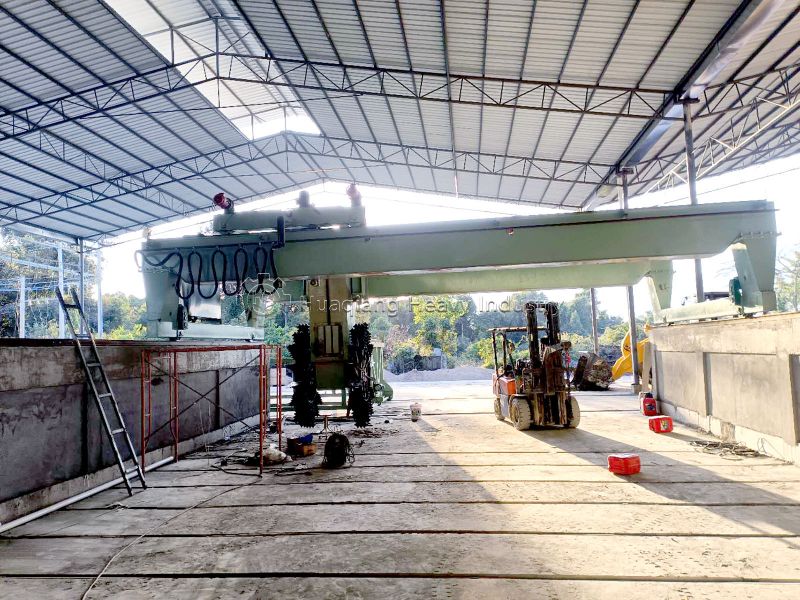
The fermentation and maturation stage is the core stage of organic fertilizer production process, and this stage harbors numerous potential problems. Unreasonable temperature control during fermentation is a common problem; temperatures below 55℃ make it difficult to kill insect eggs and pathogens, while temperatures above 70℃ can destroy nutrients. Infrequent turning of the compost pile can lead to localized anaerobic fermentation, producing toxic gases such as hydrogen sulfide, affecting the environment and fertilizer quality. In addition, improper selection of microbial strains, insufficient inoculation quantity, or unbalanced carbon-nitrogen ratio can lead to prolonged fermentation cycles, or even "false maturation," which can cause secondary fermentation and burn crop roots after application to the soil.
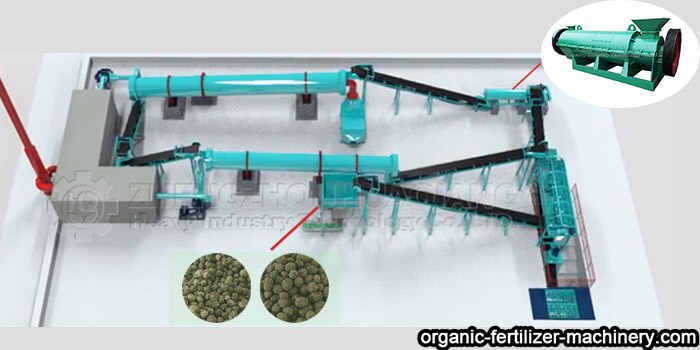
Processing and finished product quality control loopholes are also significant and cannot be ignored in the organic fertilizer making process. In the granulation stage, improper use of binders or excessive moisture content in the granules can easily lead to problems such as loose granules and clumping, affecting storage and application. Lack of or inadequate finished product testing can result in organic fertilizers with substandard nutrient content, excessive heavy metals, and excessive impurities, failing to meet agricultural production needs. Furthermore, inadequate treatment of exhaust gases and wastewater during the production process can cause air and water pollution, contradicting the original intention of ecological protection.
In summary, organic fertilizer production requires strengthened control throughout the entire process, standardized raw material selection, optimized fermentation processes, and strict finished product testing to effectively solve various problems in production, ensure the quality of organic fertilizers, and contribute to green and sustainable agricultural development.
_800x600.jpg)
_800x600.jpg)