With the advancement of green transformation in agriculture, bio-organic fertilizer has become an important support for modern agriculture due to its ability to improve soil and reduce reliance on chemical fertilizers. However, the current production process of bio-organic fertilizer still has many shortcomings, which restrict product quality and the standardized development of the industry, requiring precise analysis and improvement.
There are obvious loopholes in the raw material processing stage. The raw materials for bio-organic fertilizer are mostly agricultural waste such as livestock and poultry manure and straw. Currently, some enterprises lack standardized pretreatment processes, resulting in problems such as unbalanced raw material ratios and excessive impurities. Some enterprises do not strictly control the carbon-nitrogen ratio, leading to low fermentation efficiency; some raw materials have not undergone heavy metal passivation and antibiotic degradation treatment, posing safety hazards. Furthermore, incomplete straw crushing affects subsequent fermentation effects. At the same time, raw material supply is greatly affected by seasons and regions, making stability difficult to guarantee.
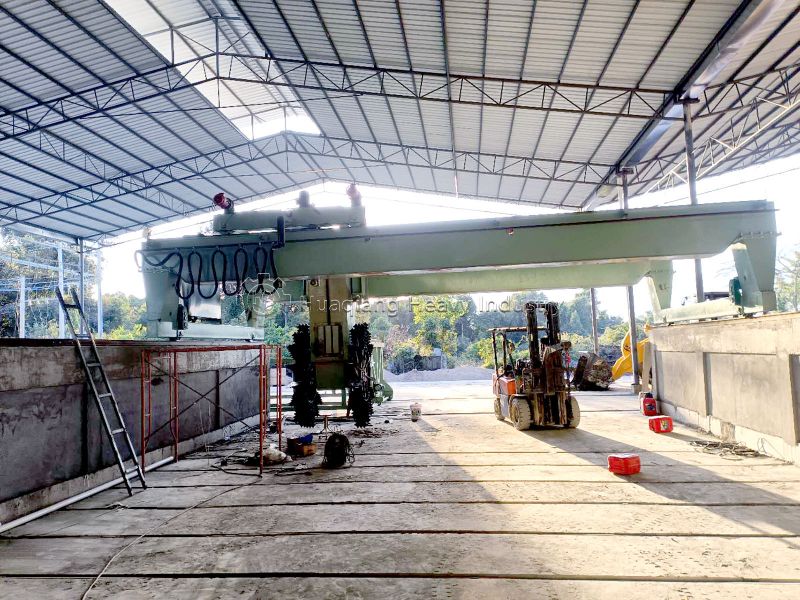
The fermentation process is outdated and lacks precise control. Currently, more than 40% of enterprises still use static composting processes, lacking professional bio-organic fertilizer equipment. This makes them highly susceptible to climate influences, resulting in unstable fermentation temperatures. Excessive heat kills beneficial bacteria, while insufficient heat fails to inactivate harmful bacteria and insect eggs, leading to incomplete decomposition. Most small and medium-sized enterprises (SMEs) lack intelligent control equipment, making it impossible to accurately regulate temperature, humidity, and ventilation during fermentation. This not only prolongs the production cycle but also reduces the survival rate of functional bacteria, significantly diminishing the product's field performance.
The quality control system is inadequate. Some SMEs invest insufficiently in research and development, possess rudimentary testing equipment, and lack a comprehensive quality tracking mechanism, making it impossible to effectively detect key indicators such as functional bacteria content and contamination rates in their products. Furthermore, industry standards are not fully implemented; while some products meet basic standards, they lack target functional bacteria, resulting in severe homogenization and difficulty in meeting the needs of different soils and crops. This even leads to substandard products entering the market, damaging the industry's reputation.
Production costs are high and energy consumption is significant. Raw material transportation, pretreatment, and fermentation processes consume a lot of energy, and the high investment threshold for advanced fermentation equipment makes it unaffordable for SMEs. The volatile price of core microbial agents further increases production costs, and coupled with significant waste in some processes, this results in insufficient product cost-effectiveness, hindering market promotion.
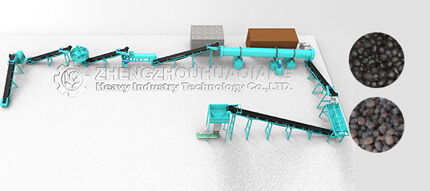
In summary, bio-organic fertilizer production still has shortcomings in raw material processing, process control, quality control, and cost control. Only by addressing these shortcomings, optimizing bio-organic fertilizer production lines, and promoting standardized production processes and intelligent technologies can we improve product quality and contribute to the green and sustainable development of agriculture.
_800x600.jpg)
_800x600.jpg)