Bio-organic fertilizer production is a precise combination of organic solid waste resource utilization and high-quality fertilizer production. A standardized bio-organic fertilizer production line is prone to problems such as contamination by miscellaneous bacteria, nutrient loss, and excessive heavy metals throughout the entire process from raw materials to finished product. Targeted prevention is crucial to ensuring product quality and production safety.
Risk prevention at the raw material stage is the first line of defense in production. The primary focus at this stage is controlling excessive levels of heavy metals and toxic substances. Enterprises need to establish a raw material traceability system, prioritizing livestock and poultry manure from compliant farms and crop straw free of pesticide residues, and strictly prohibiting the use of harmful raw materials such as medical waste and industrial sludge. Simultaneously, it is essential to prevent imbalances in the raw material ratio. Precise measurement of the carbon-nitrogen ratio using professional instruments is crucial to avoid fermentation stagnation due to deviations from the 30:1 golden ratio. The moisture content of the raw materials must also be controlled within the range of 55%-60% to prevent anaerobic putrefaction caused by excessive moisture and inhibition of microbial activity by insufficient moisture.
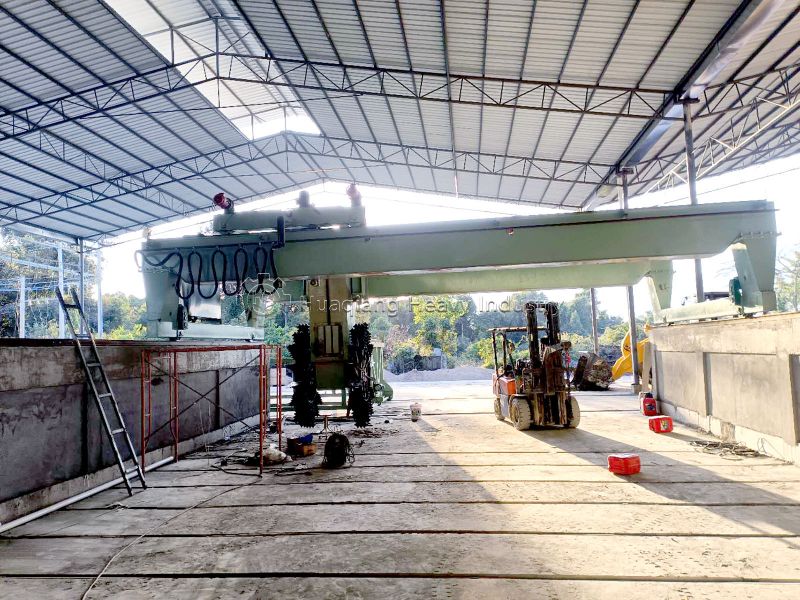
Problem control during the fermentation stage directly determines fertilizer quality. To prevent the growth of contaminating bacteria and the residue of pathogens, a compound functional microbial agent must be precisely introduced into the raw materials to form a dominant microbial community that suppresses contaminating bacteria. A high-temperature environment of 55℃-65℃ must be strictly maintained for 5-7 days to thoroughly kill insect eggs and harmful pathogens. Simultaneously, to prevent incomplete fermentation, the compost pile should be turned regularly using a compost turning machine in the bio-organic fertilizer equipment to ensure oxygen supply. Temperature changes should be monitored in real time; if a sudden drop in temperature occurs, microbial agents should be added promptly or the material density adjusted to prevent "semi-raw material" from affecting fertilizer efficiency.
The key to prevention in the deep processing and quality inspection stages lies in nutrient retention and compliance with standards. During processing, it is necessary to prevent the inactivation of effective live bacteria. The temperature during granulation must be strictly controlled to not exceed 60℃ to avoid high-temperature killing of functional microbial communities. Before packaging, proper sealing and moisture-proof treatment should be carried out to prevent the decline of microbial counts during storage and transportation. The quality inspection stage should comprehensively screen core indicators such as organic matter content, heavy metal content, and effective live bacteria count, establishing a multi-level inspection mechanism to prevent unqualified products from entering the market.
Problem prevention and control in the production of bio-organic fertilizers must be implemented throughout the entire process. Only by setting up checkpoints at every stage and ensuring strict control at every level can we achieve both the resource utilization of solid waste and the production of safe and efficient green fertilizers.
_800x600.jpg)
_800x600.jpg)