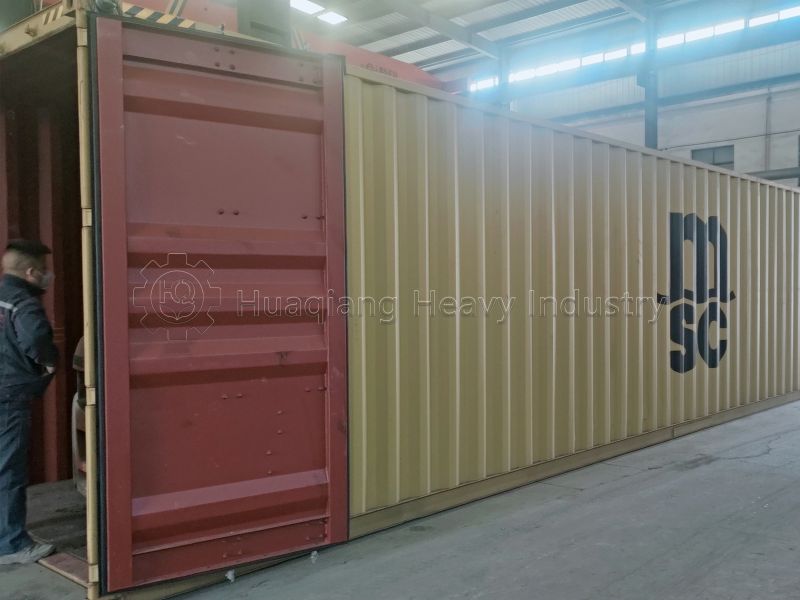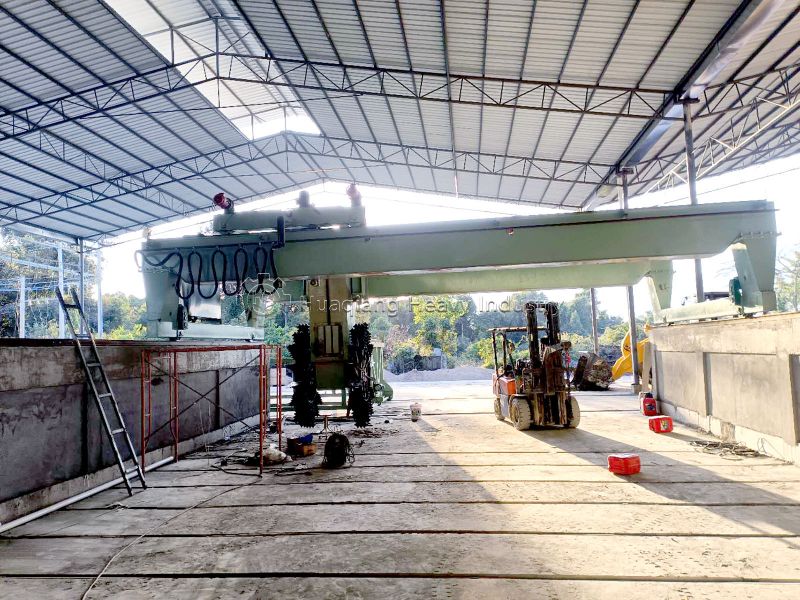
Preparing for the start-up of bio-organic fertilizer equipment is crucial for avoiding malfunctions and improving production efficiency. Whether it's a small compost turner or a large complete production line, a comprehensive inspection and debugging process must be completed according to the established procedures. This can be divided into four core steps:
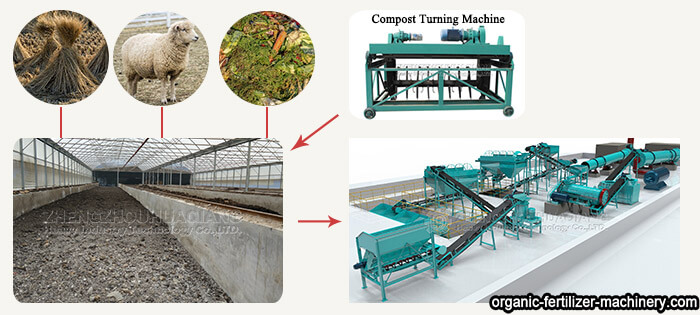
Step 1: Safety and Environmental Inspection. First, clear away debris around the equipment to ensure an unobstructed operating space and good ventilation; check that electrical connections are secure and grounding protection is effective to avoid short-circuit risks; operators must wear safety helmets and protective gloves, and are strictly prohibited from operating under the influence of alcohol or violating regulations. If the equipment is equipped with deodorization and exhaust gas treatment devices, preheating is required to ensure environmental compliance.
Step 2: Equipment Status Inspection. Verify each core component: whether the turning teeth of the fermentation equipment are intact and rotate flexibly; whether the blades of the crushing equipment are sharp and not loose; whether the die gap of the granulator is reasonable; and whether the temperature control system of the drying and cooling equipment is normal. Simultaneously check the lubricating oil level and conveyor belt tension, tighten easily worn parts, and replace any damaged parts promptly to avoid material jams or machine shutdowns during operation.
Step 3: Raw Material and Supporting Equipment Preparation. Ensure raw material pretreatment meets standards: Livestock manure, straw, etc., must be crushed to a suitable particle size (generally ≤5mm), with a moisture content controlled between 55%-65%, and mixed with microbial inoculum in a specific ratio. Prepare supporting equipment, such as conveyor belts, silos, and packaging tools, to ensure smooth material transport. If using a complete production line, the coordination of each piece of equipment must be tested in advance to avoid connection errors.
The fourth step is parameter presetting and trial operation. Based on the raw material type and finished product requirements, preset key parameters: the turning frequency and temperature threshold of the fermentation equipment; the feeding speed and rotation speed of the granulator; and the temperature and wind speed of the drying equipment. After completion, conduct a no-load trial run to observe whether the equipment runs smoothly, without abnormal noise, and whether the data of each instrument is normal. After a 5-10 minute trial run without problems, then begin feeding materials for production.
Proper pre-start preparation can reduce the equipment failure rate, extend service life, ensure sufficient fermentation, and achieve a high granulation rate, making the bio-organic fertilizer production line both efficient and safe, laying a solid foundation for subsequent stable operation.
_800x600.jpg)
_800x600.jpg)